


Photojournalist: Payton Andisman
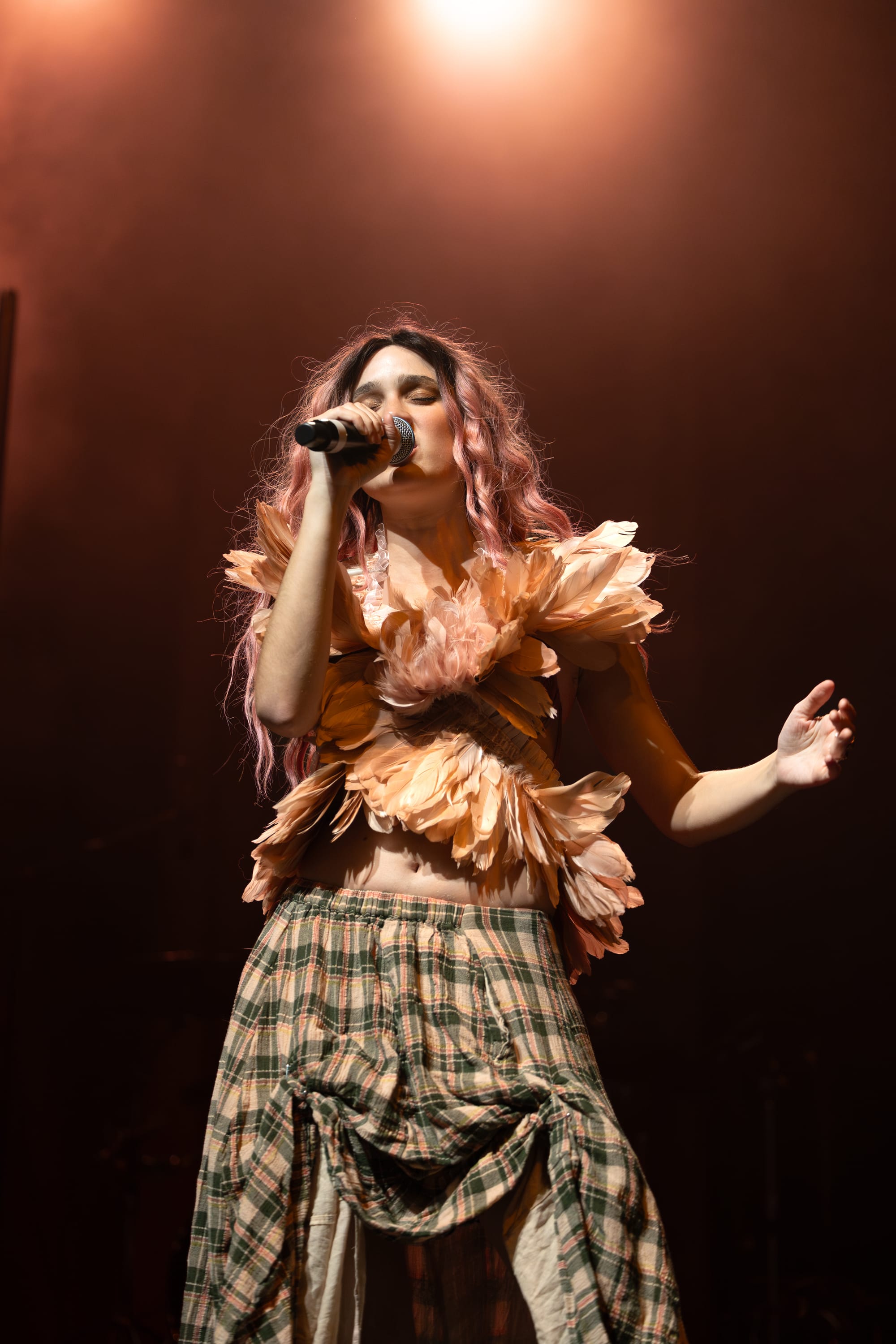
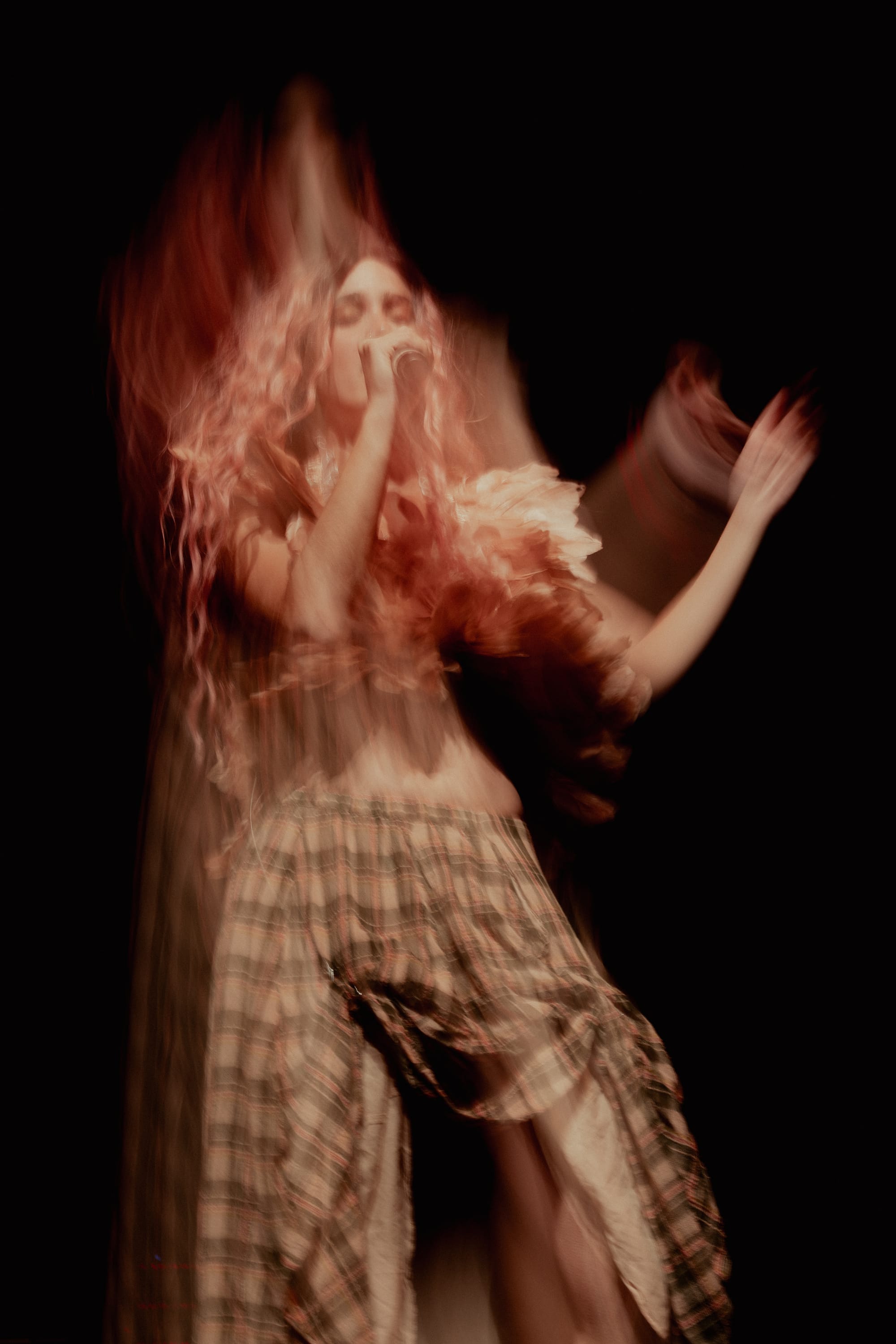
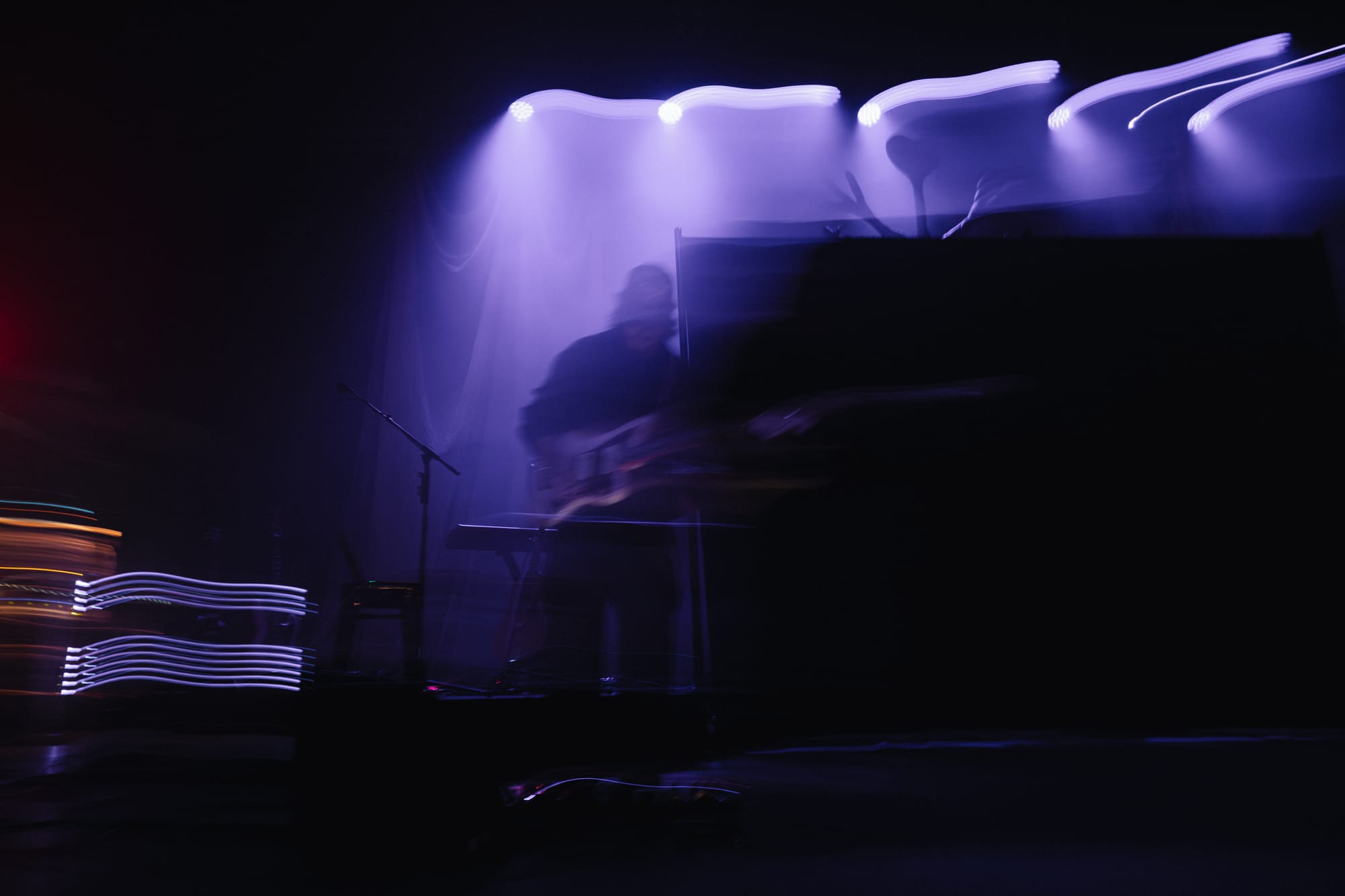
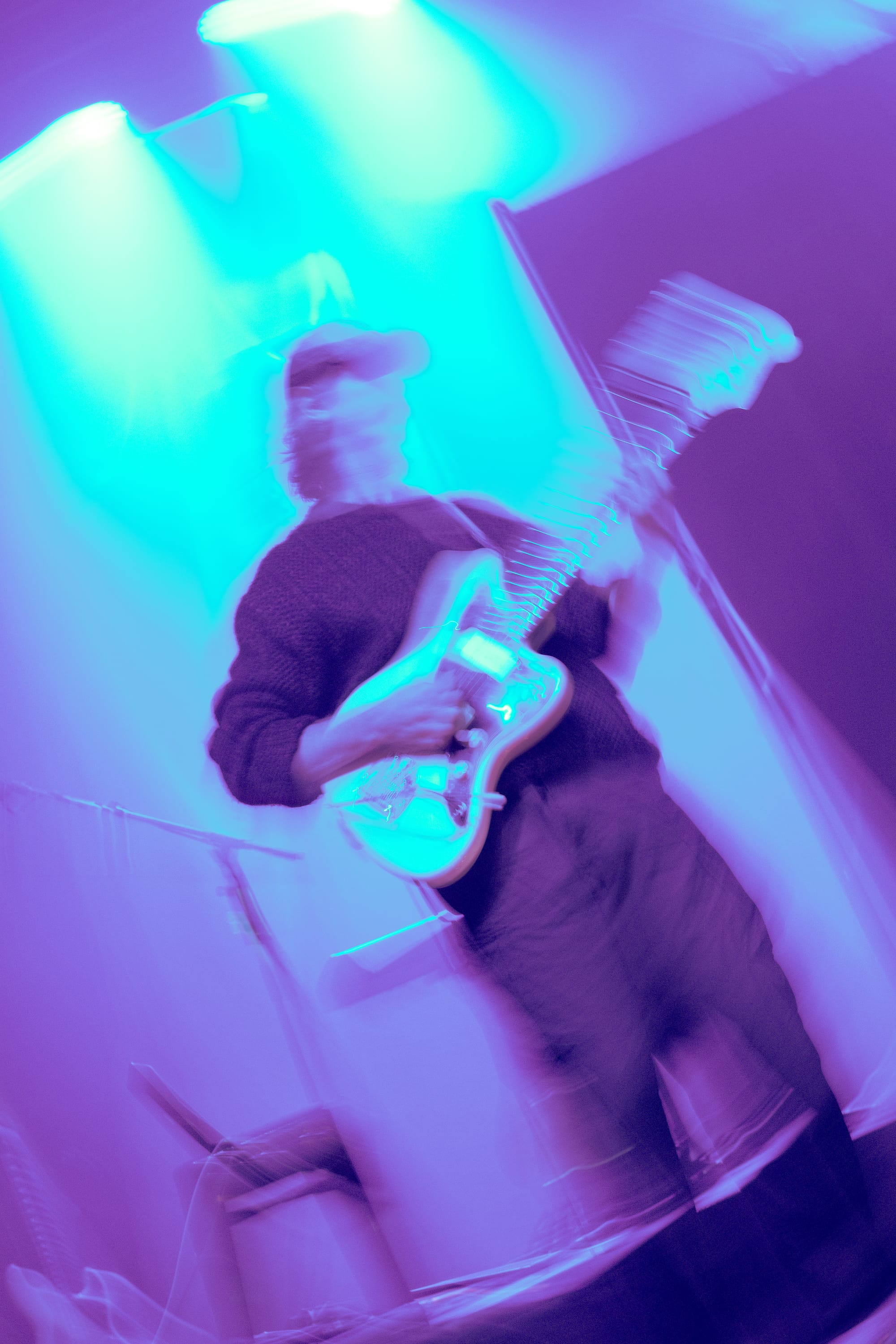
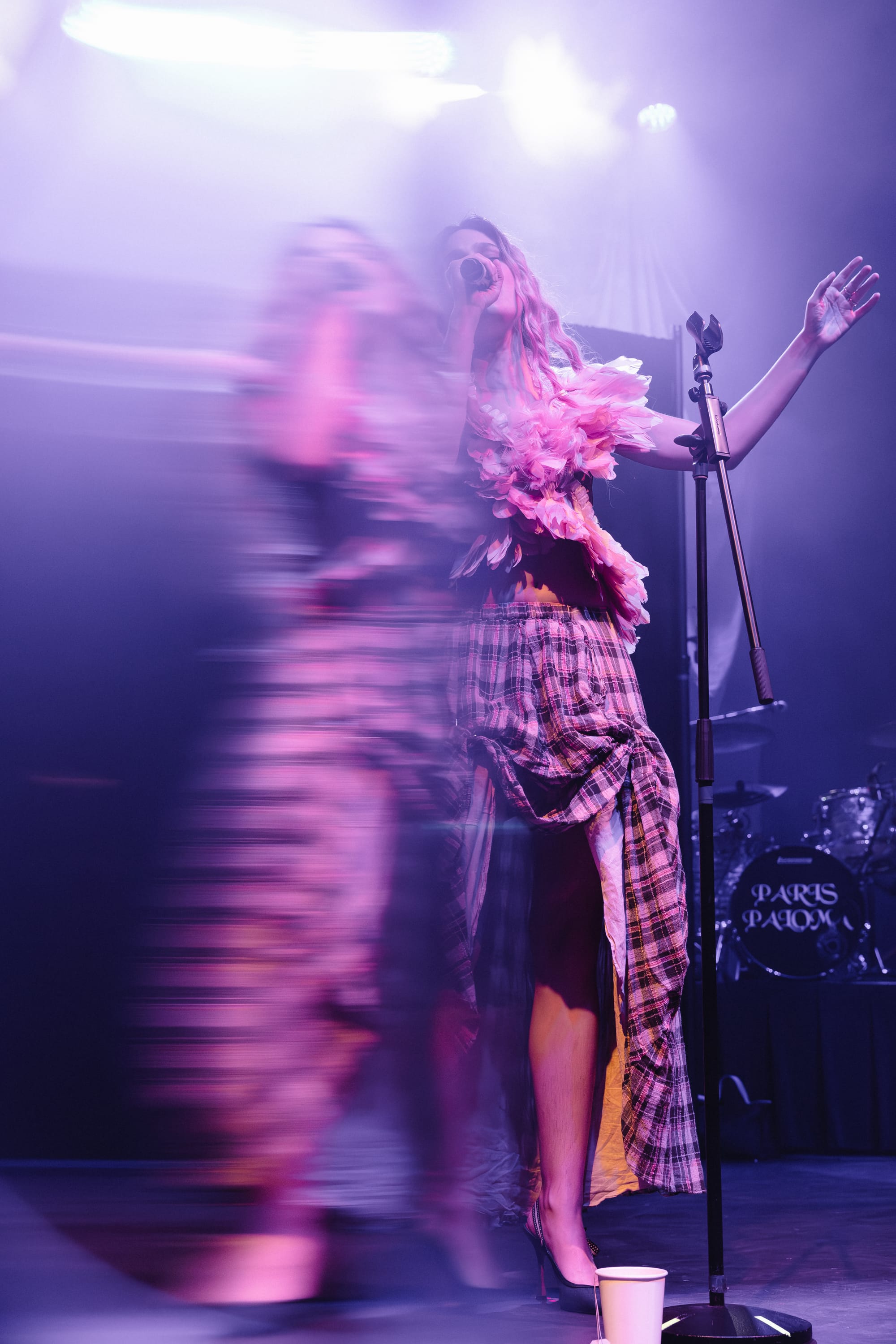
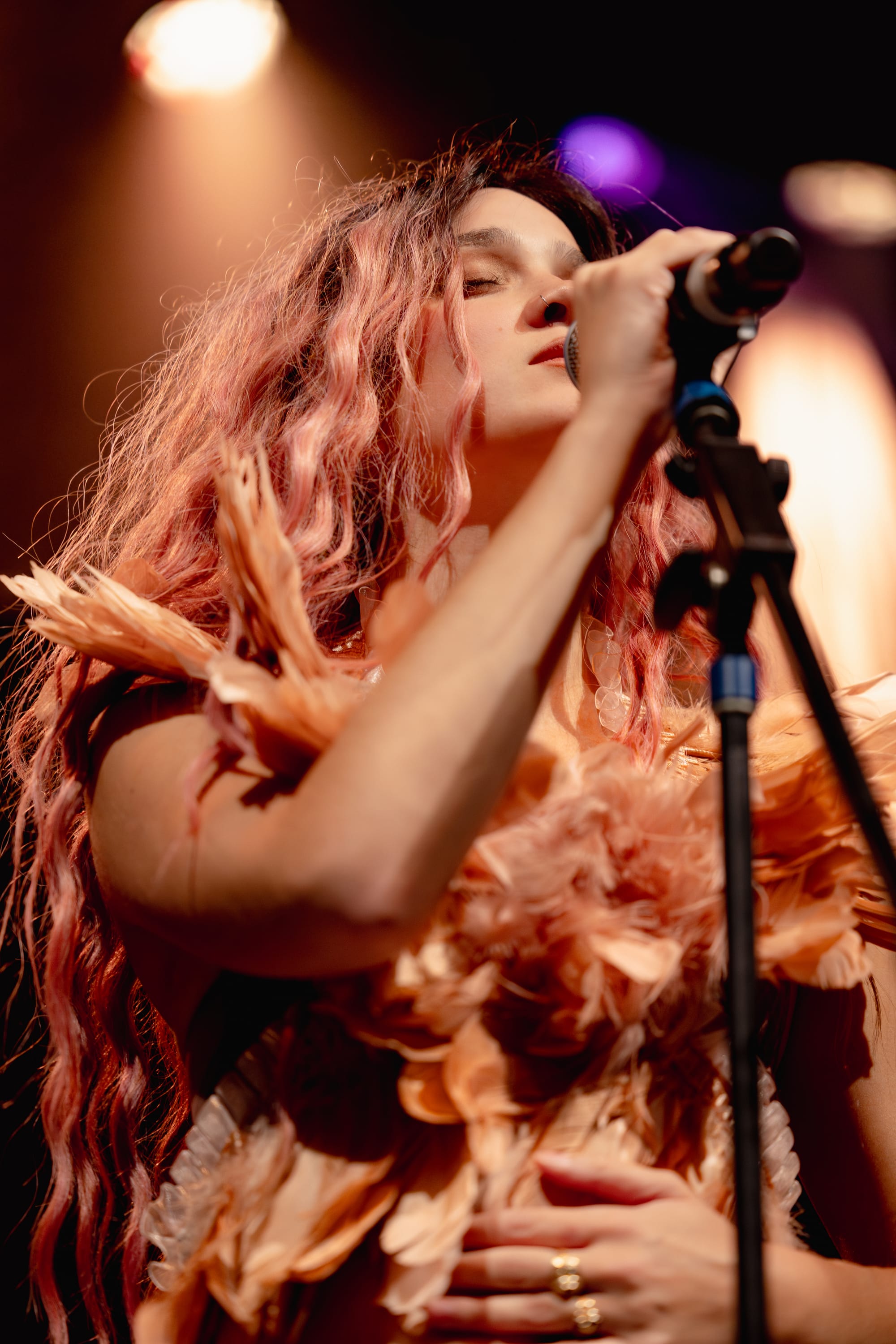
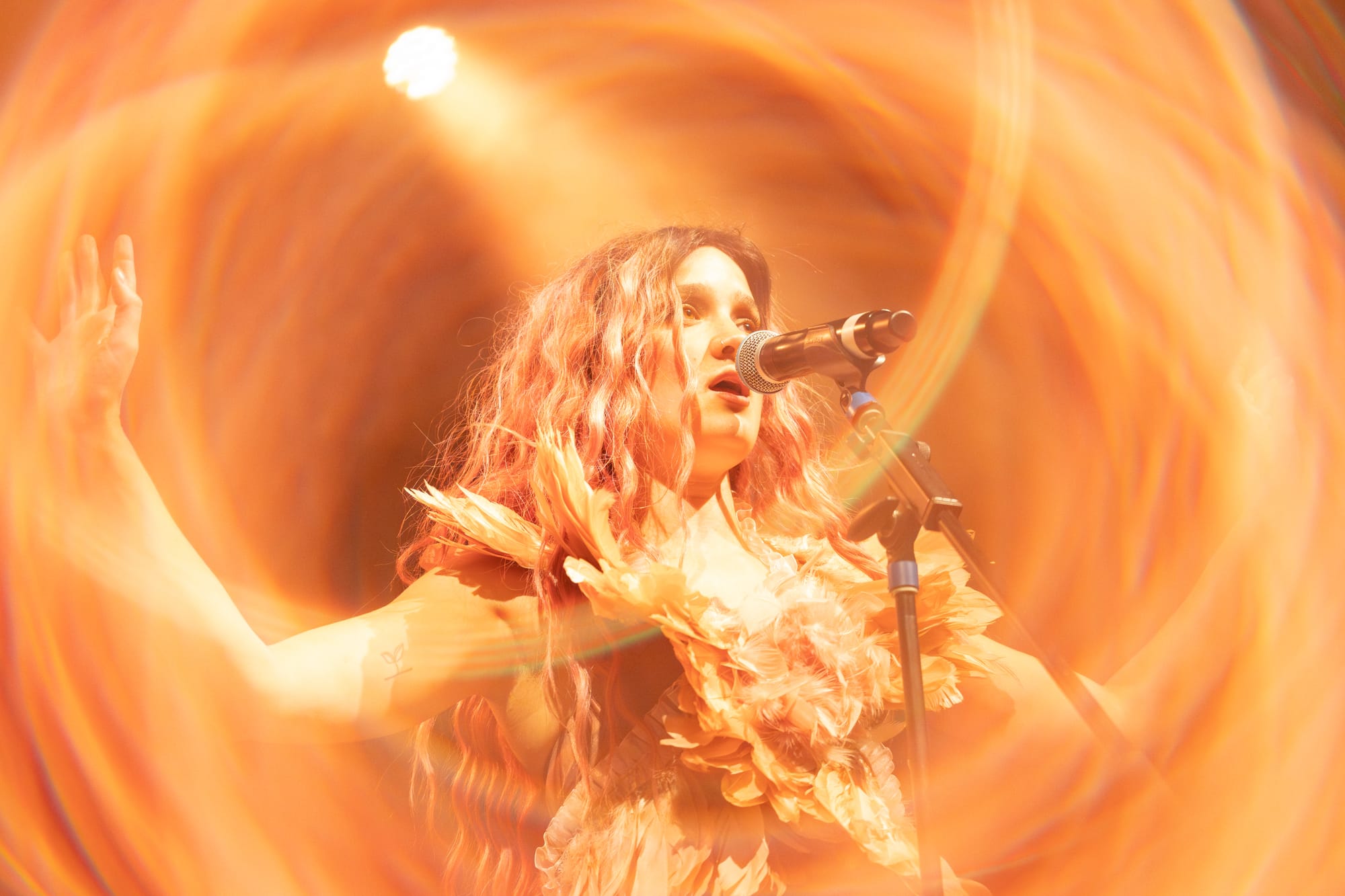
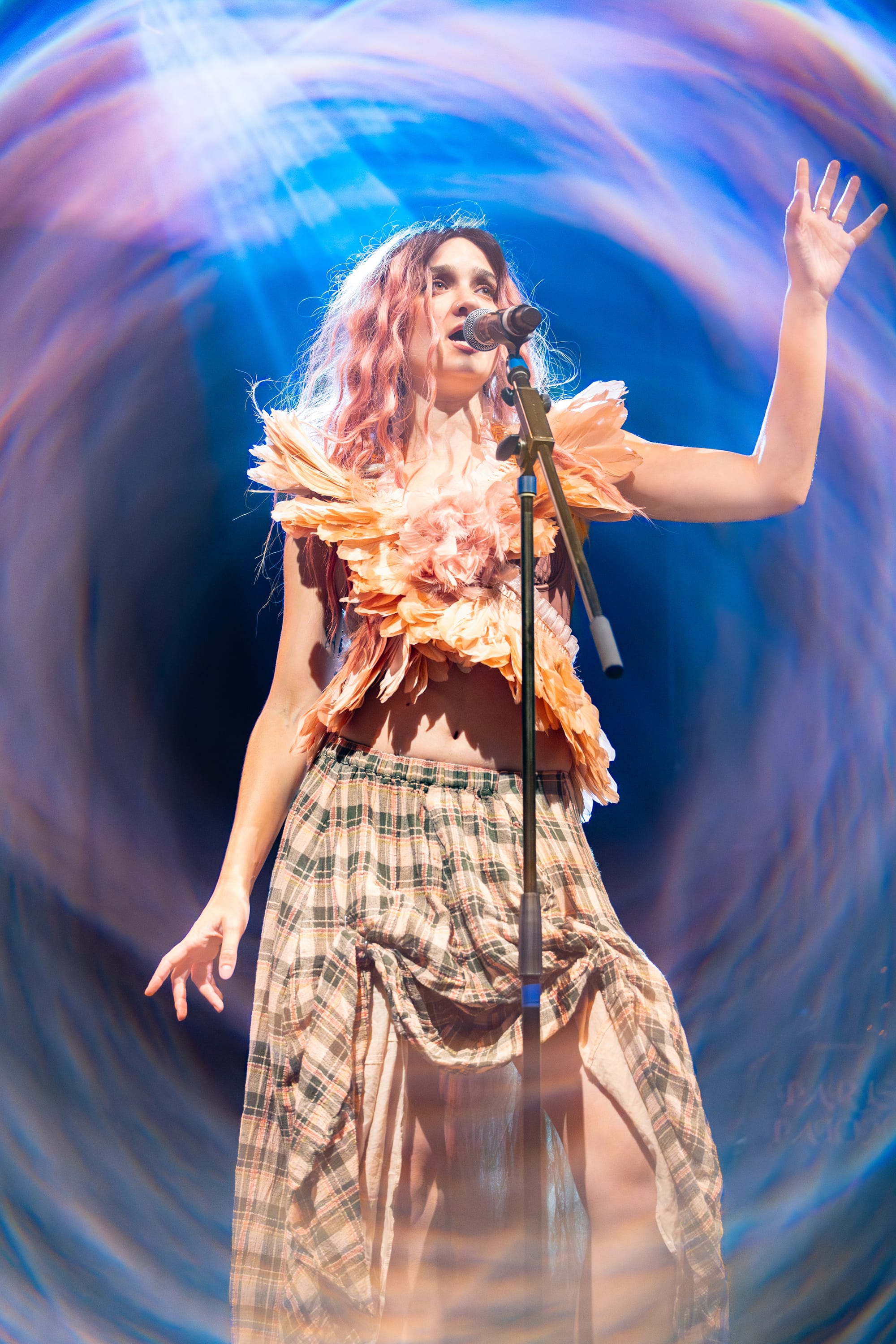
Texas-raised singer and songwriter Susannah Joffe opened the evening with a blend of atmospheric indie energy and country-tinged emotion, setting the stage for an enchanting night. When Paris Paloma took the stage, the room transformed into a divine gathering, where the rage of “utter exhaustion” met the liberating force of feminine power.
Towering above the stage was an almost ceiling-height sculptural tree, its branches stretching upward toward a heart suspended in smoke-fabricated clouds. Throughout the performance, the lighting design pulsed gently around it, like a heartbeat moving through a living body. The effect was mesmerizing. The tree that once seemed simply a set piece became a pair of lungs drawing breath, an intricate network of blood vessels connecting everything beneath its branches.
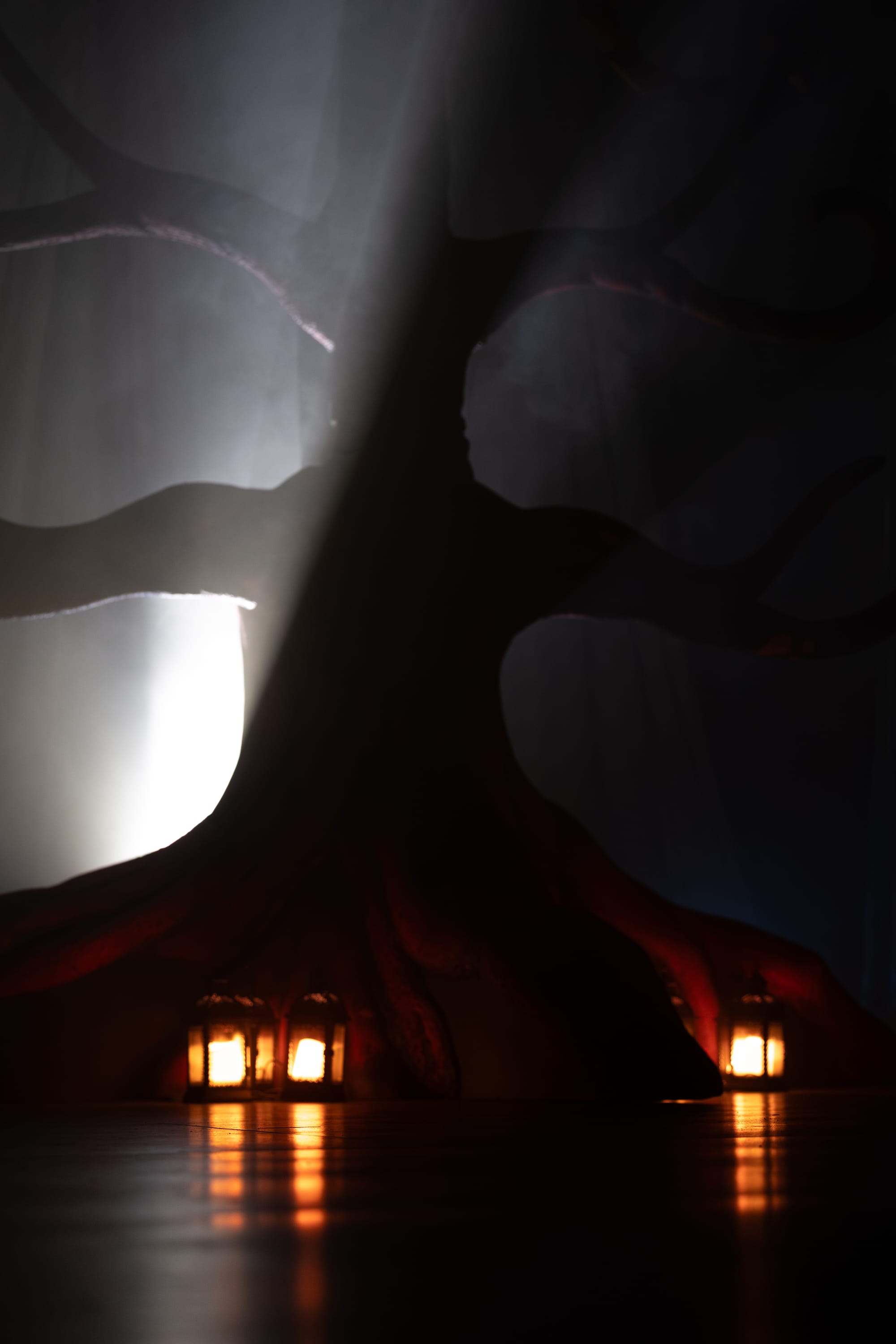
The imagery felt especially resonant alongside Paloma’s songwriting. In “Labour,” her reference to the capillaries in her eyes bursting captures the physical toll of emotional exhaustion. Across her music, blood, bodily vulnerability, and the systems that sustain life become a language for an oppressive system and its consequences.
That sense of interconnectedness extended into the audience. Fans arrived in handmade garments inspired by Paloma’s own illustrations and passed out small handmade trinkets. It was a gathering of people who had found a reflection of themselves in the world she is building. As one audience member put it, the show was “for the gays, theys, and the girls.” Beneath the humor was a genuine invitation to belong without having to explain yourself first or exist under a layer of fear, and to welcome space for tenderness, vulnerability, and collective joy.
Between songs, Paloma weaved between the intimate, the political, and the historical. She spoke about the experience of standing before a Mark Rothko painting at age 17, when she was studying art history for the first time. She felt troubled by her inability to access the overwhelming emotions others described. She connected that uncertainty to her own relationship with love, recalling the feeling that “there was some intrinsic human experience that I [she] was always on the other side of.”
Perhaps it is in our human nature that art can become a way of approaching what we cannot yet understand in ourselves.
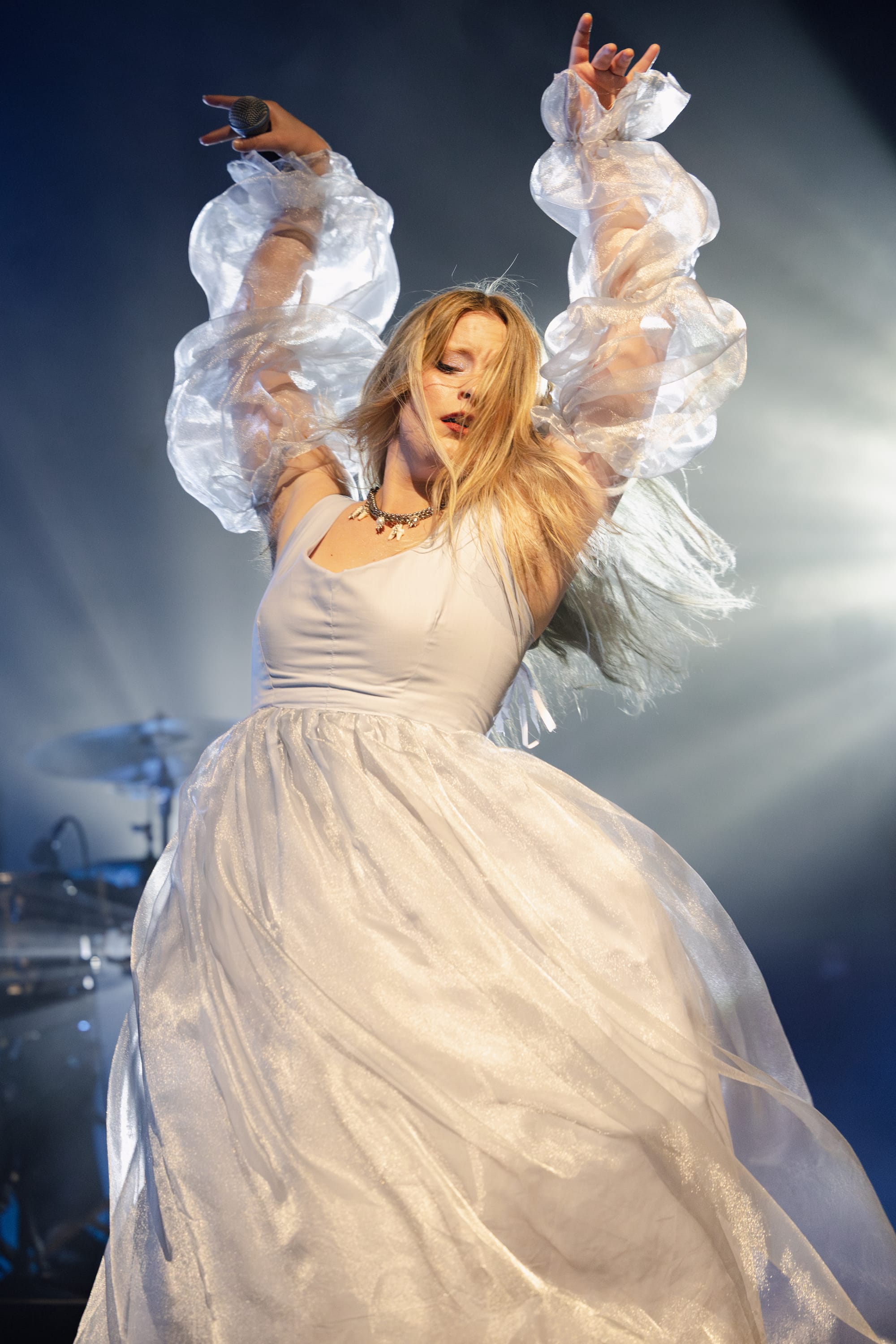
That vulnerability sat alongside sharper commentary on the policing of women’s bodies. Paloma spoke about how misogynistic men often turn to a woman’s appearance as a weapon when they want to undermine her arguments about feminism. She encouraged the audience to spend a few minutes during her next song, “Good Girl,” simply moving their bodies without treating them as problems to solve or things to change. The moment was an invitation to inhabit the body rather than wage war against it.
Her songs exploring toxic masculinity carried a similar range. “Beautiful Birds” offered a more affectionate, hopeful vision, while other songs examined the tragedy of watching empathetic young boys become shaped by patriarchy, violence, and inherited expectations. In “Pyrrhus (You Go Where I Cannot),” the mythological world becomes a vessel for a mother’s grief over the young man her son is becoming, and the distance between loving someone and being able to guide them.
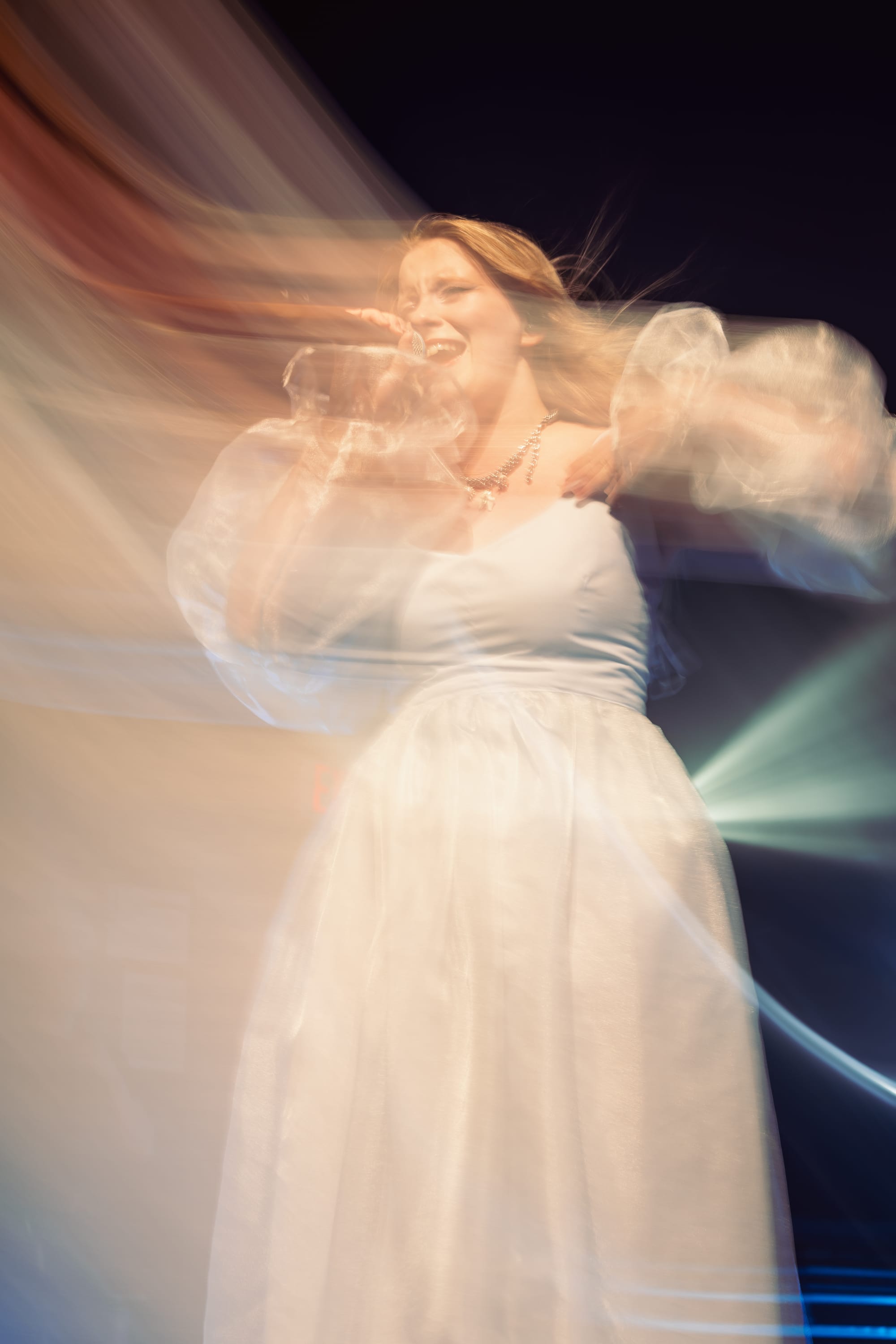
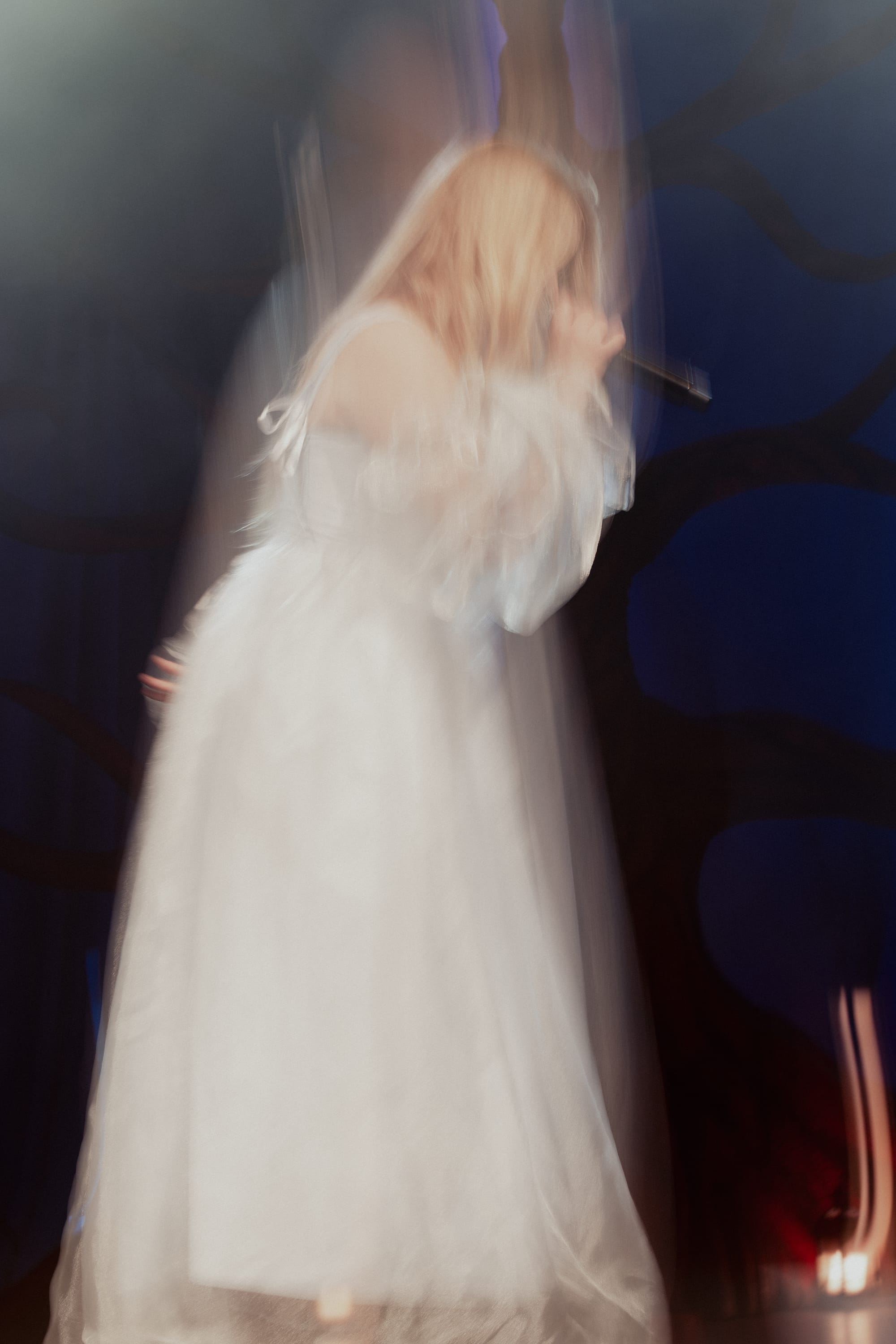
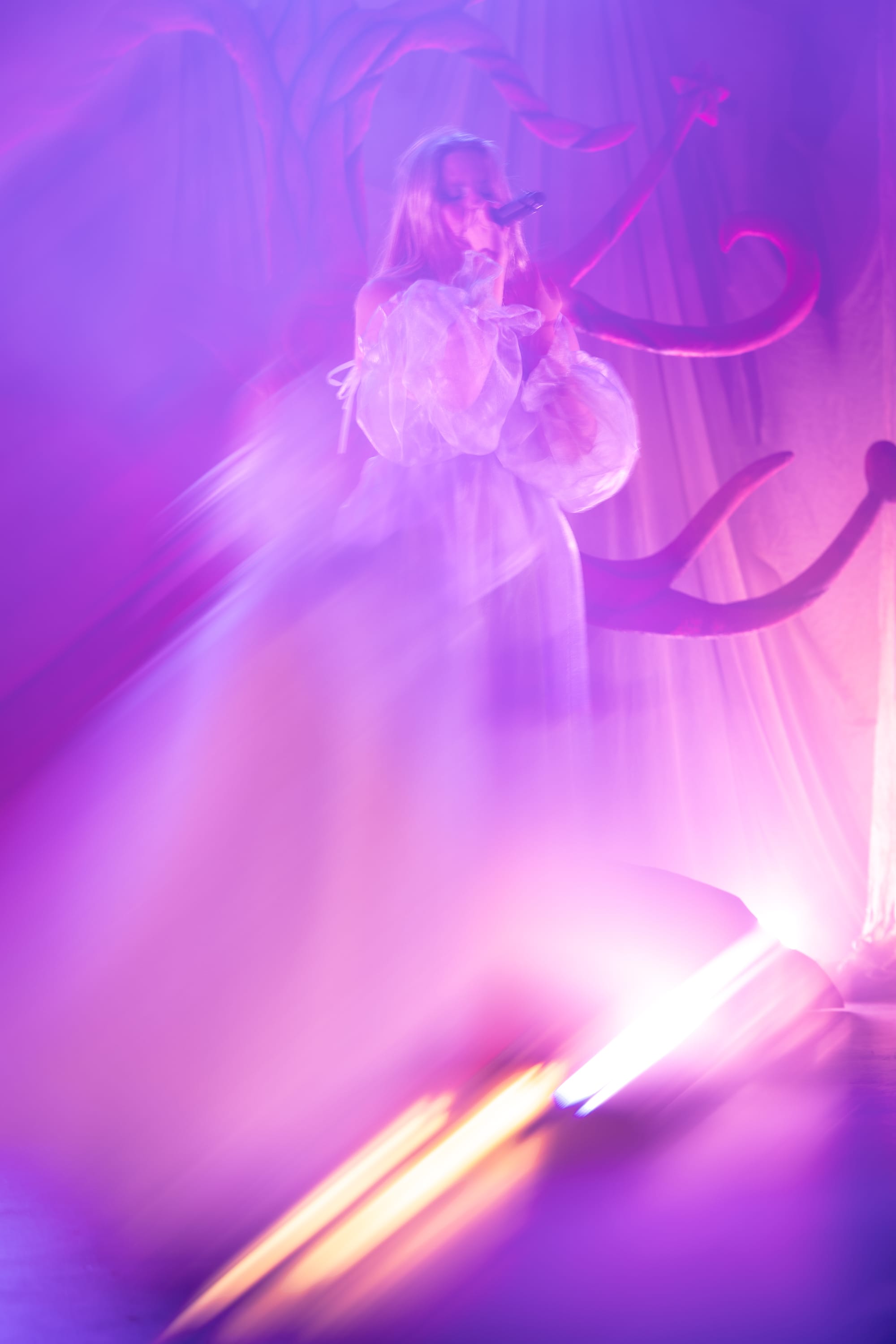
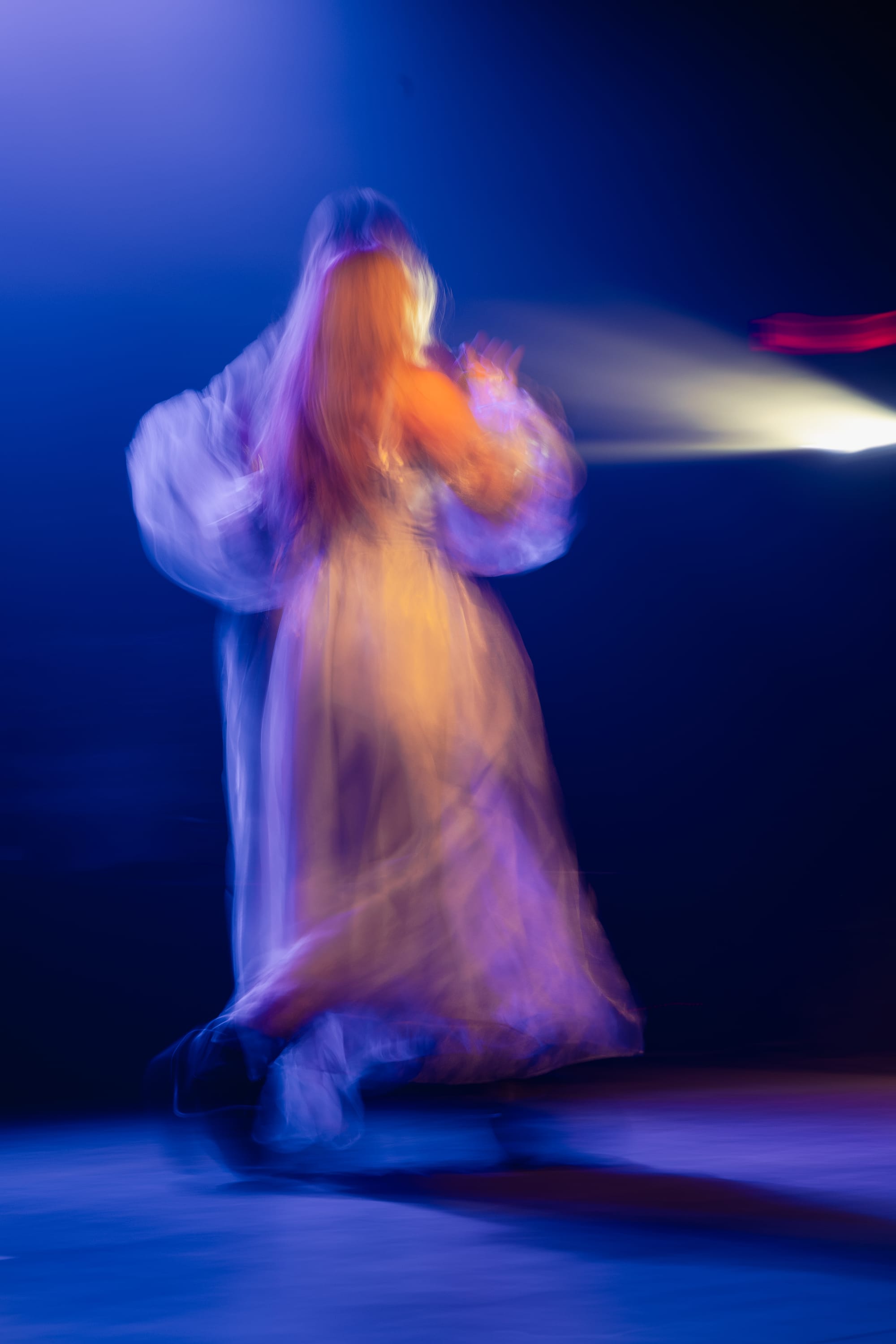
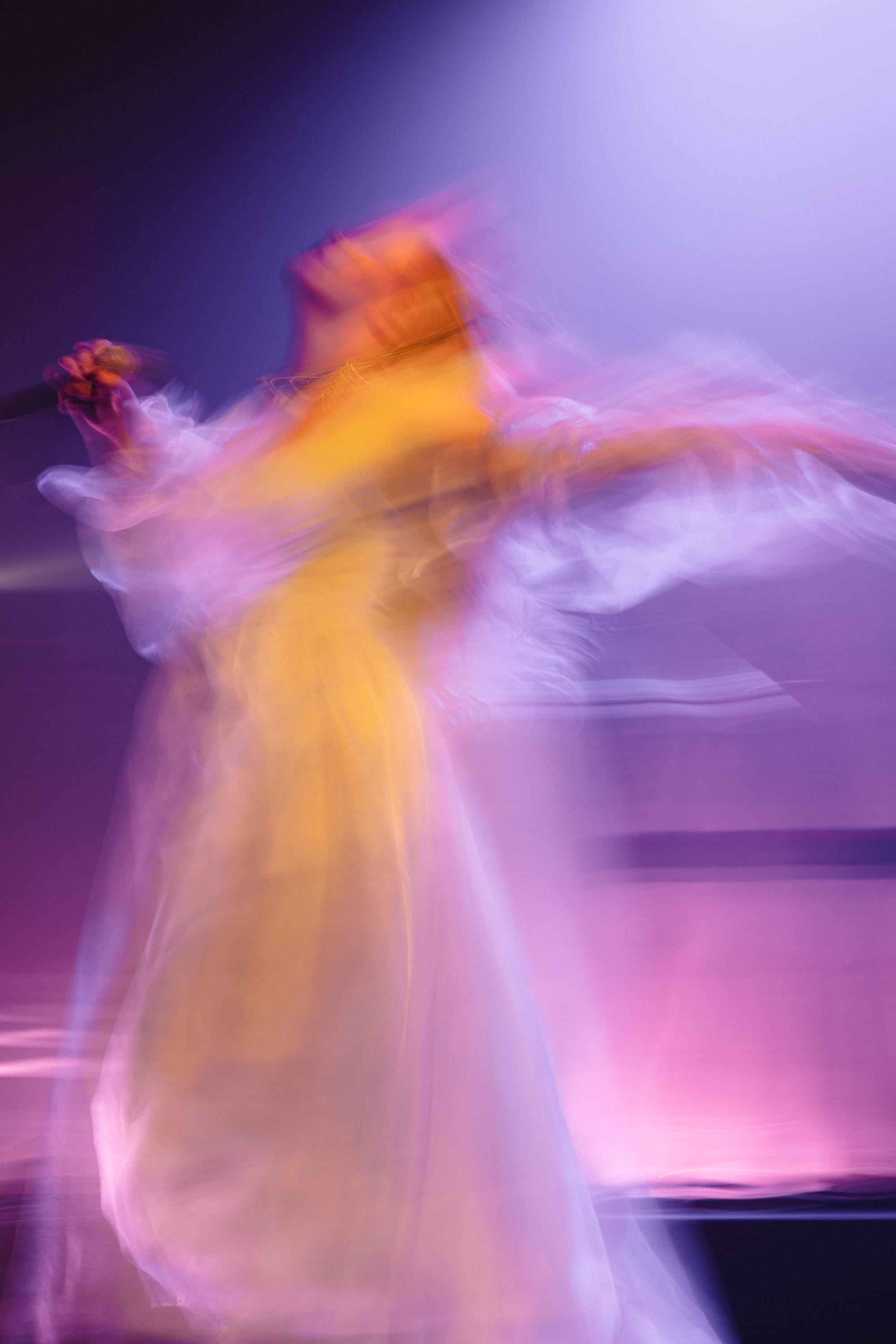
photos by Payton Andisman
I myself cried beneath the branches of that towering tree of life, surrounded by a crowd singing, moving, and reaching toward one another. For a few hours, the venue became a space where rage could coexist with tenderness, where heartbreak could make room for joy, and where love did not have to ask permission to exist. Beneath those branches, we were not defined by the forces that seek to diminish us, but by everything that we could become when we are finally free to take up space, to recognize ourselves in one another, and to discover that we are more than what the world has taught us to fear.
PARIS PALOMA
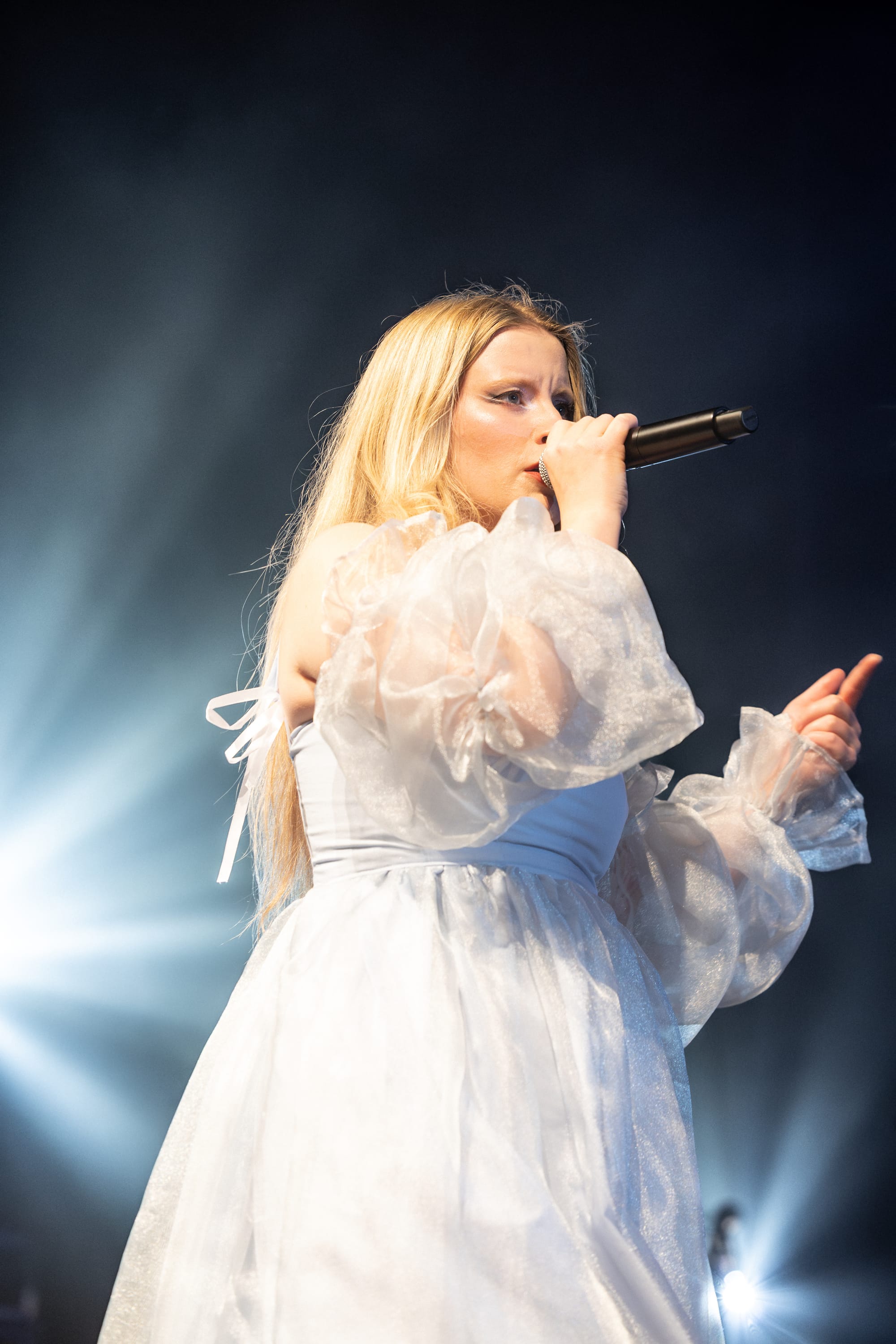
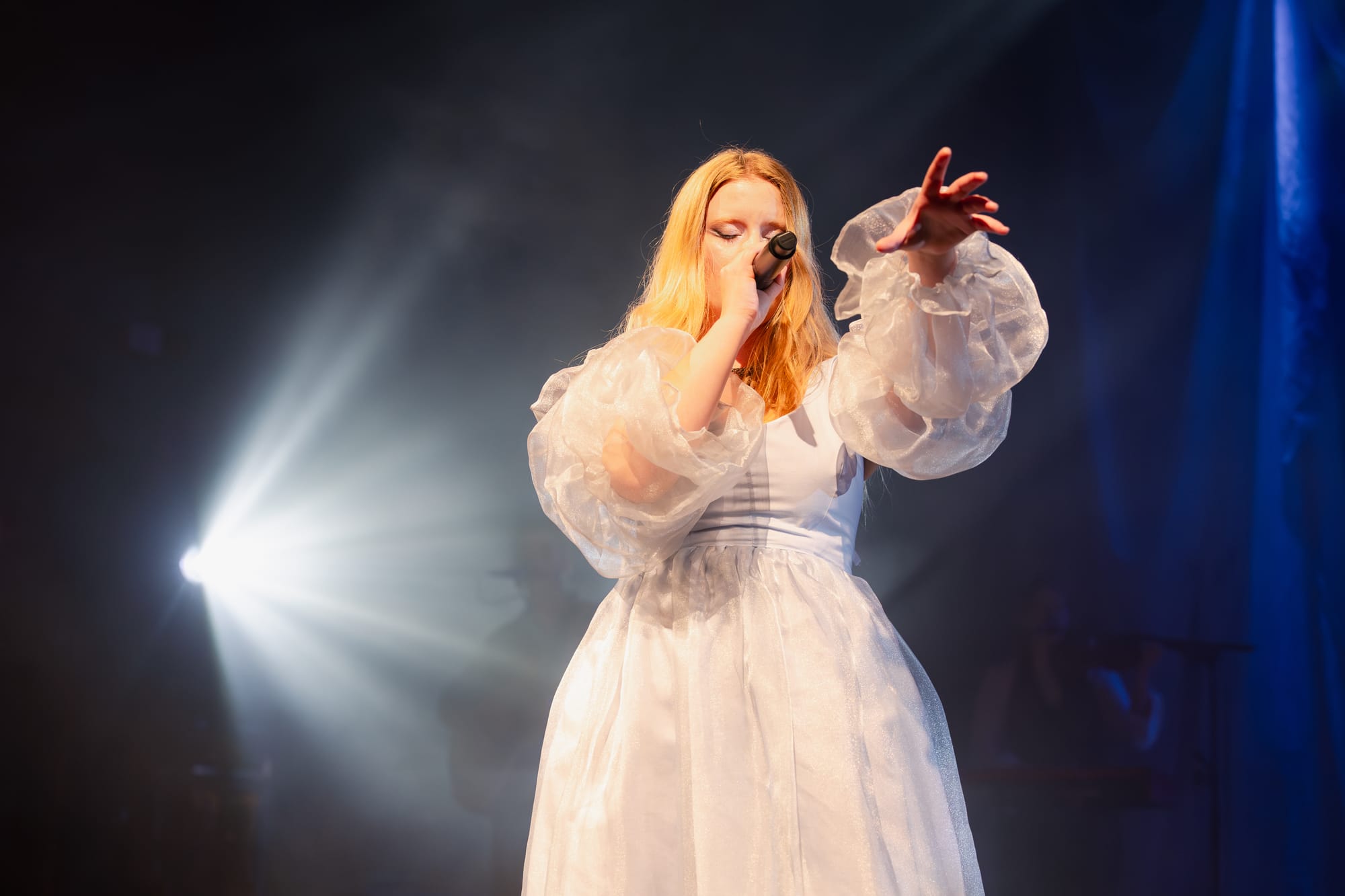
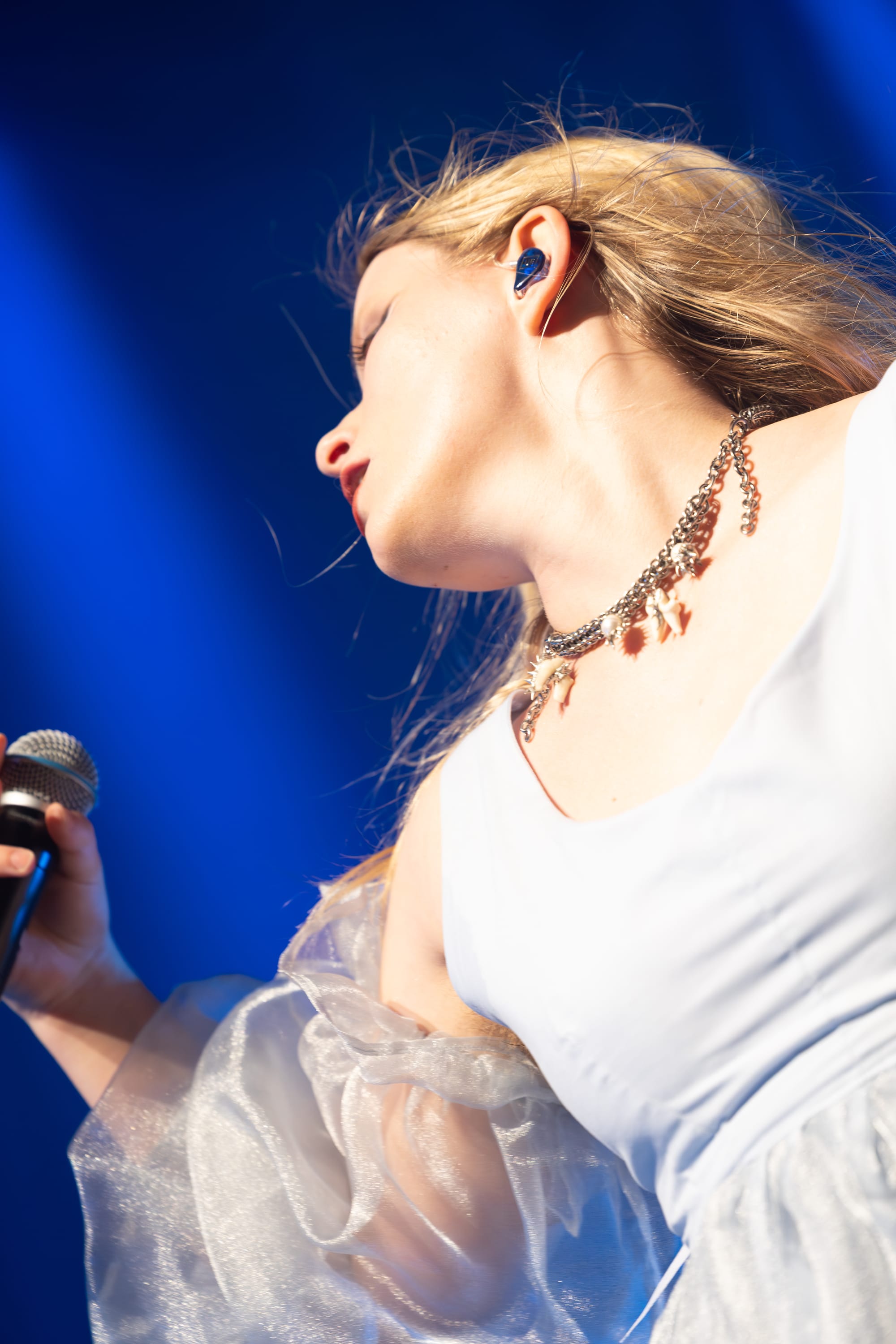
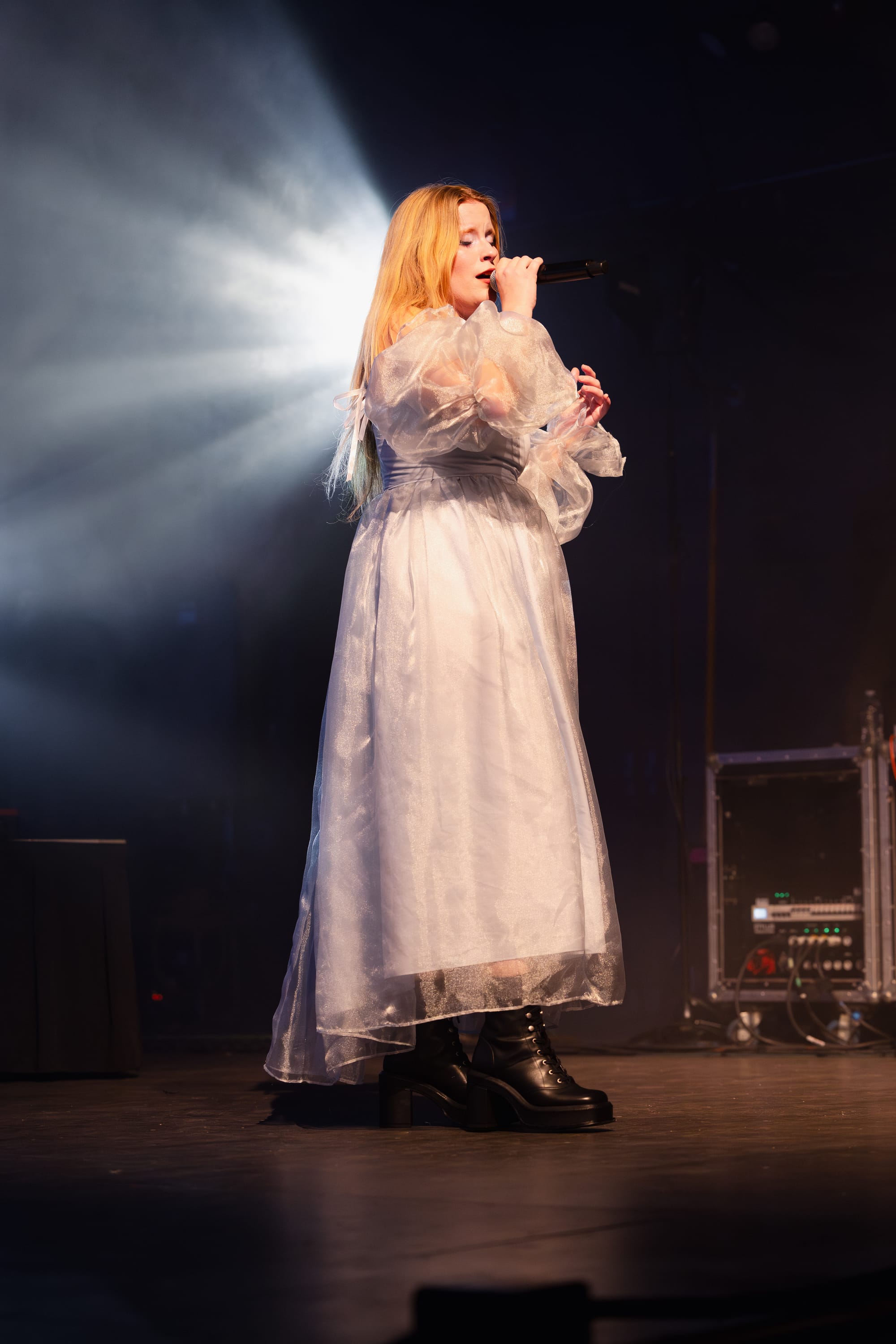
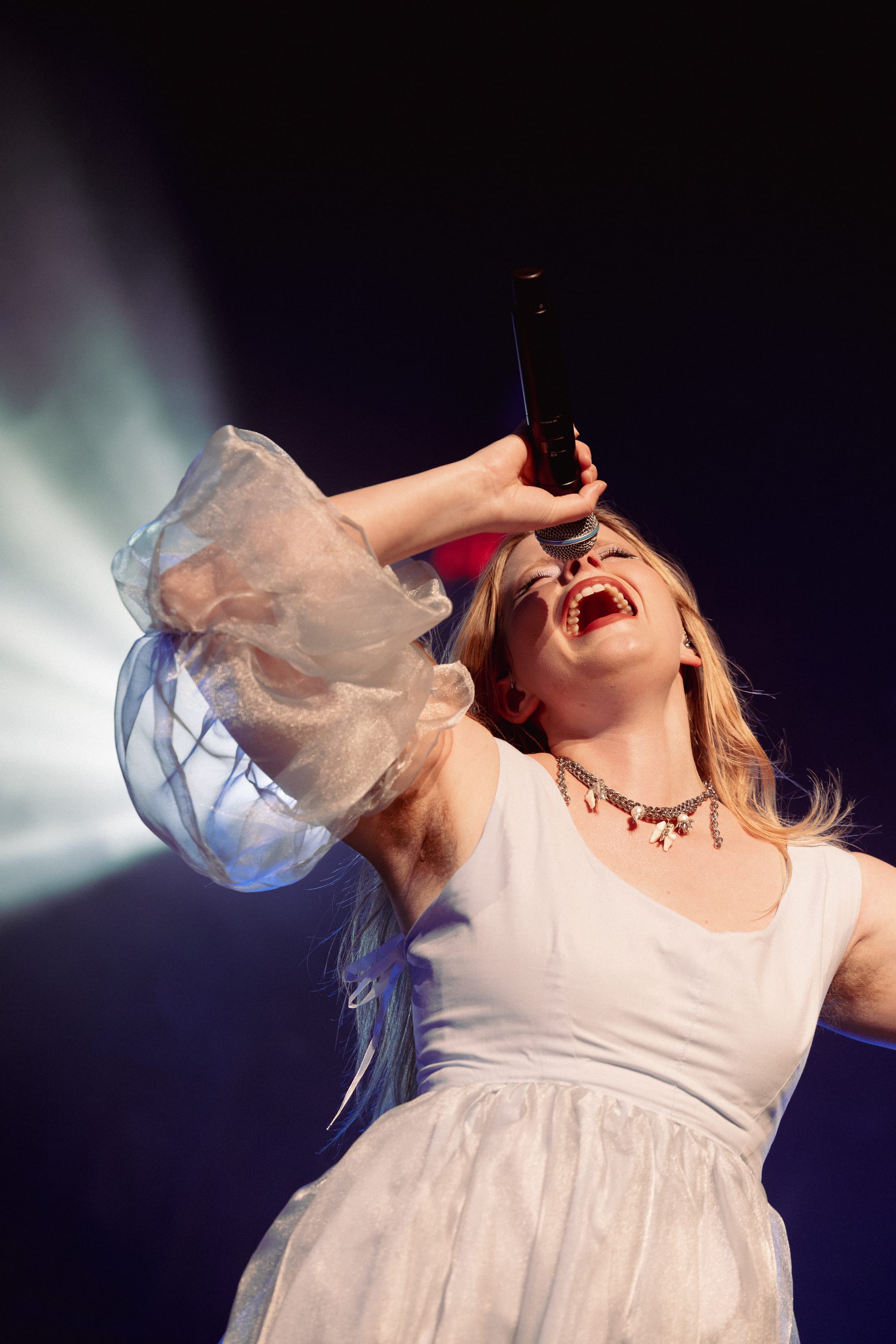
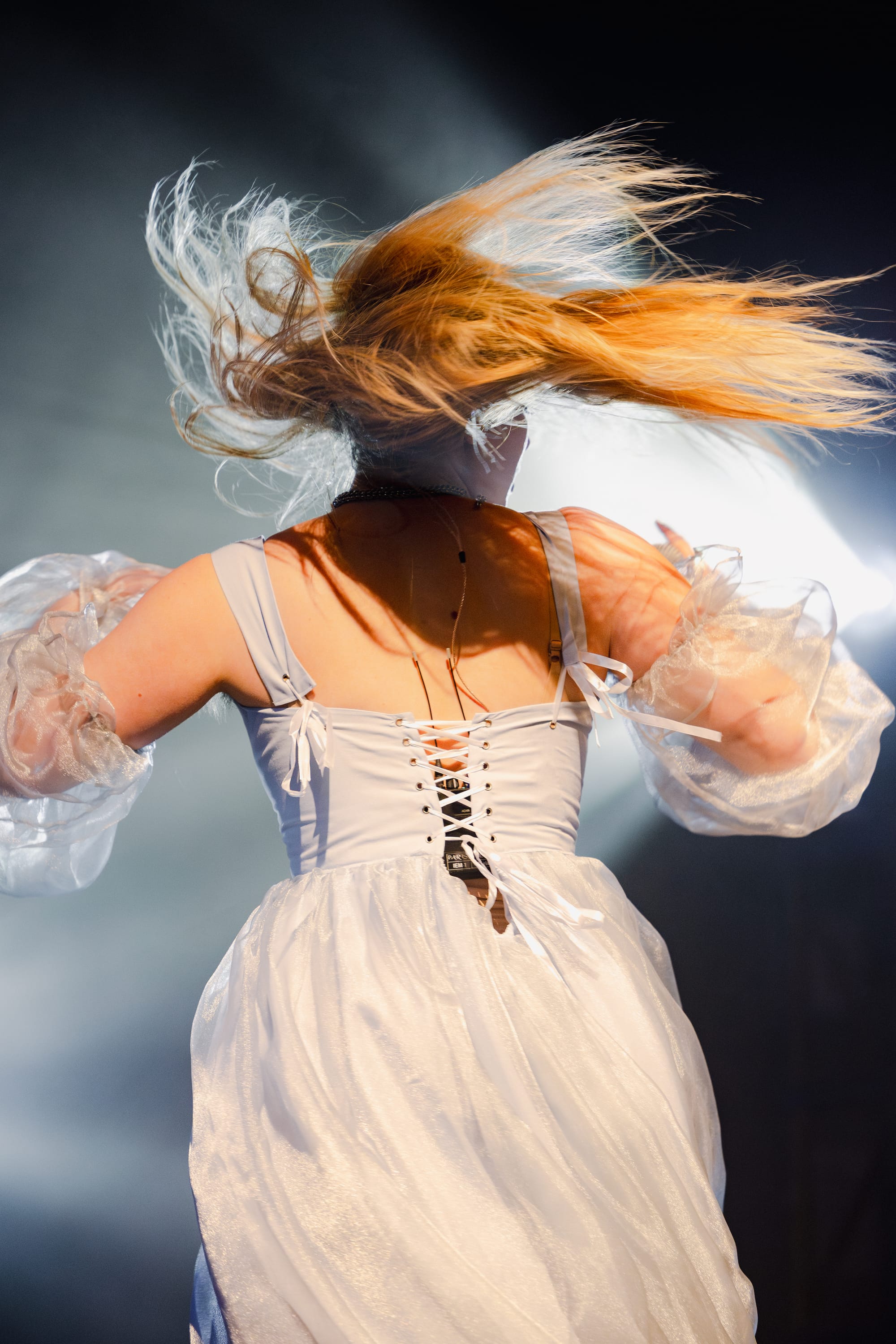
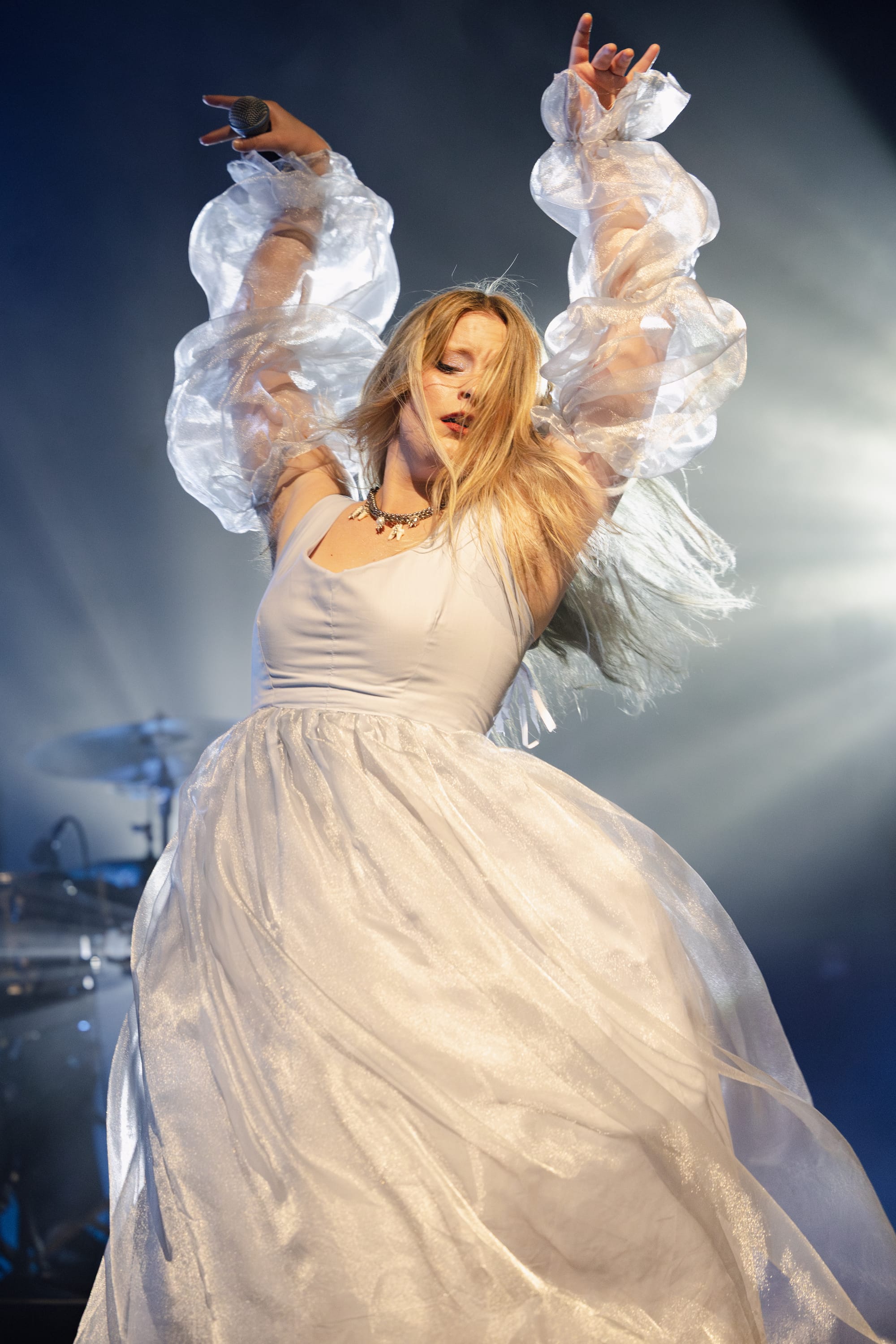
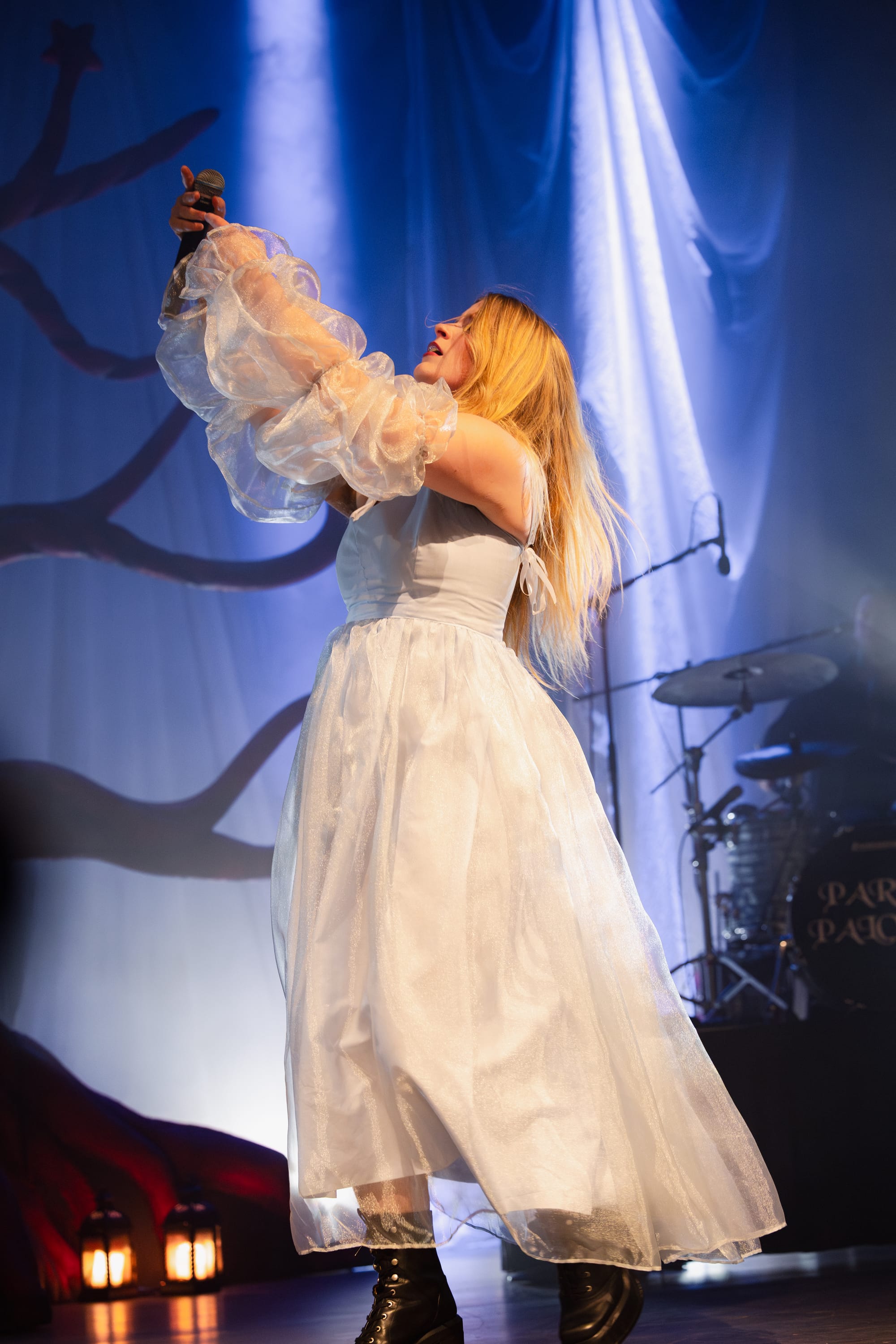
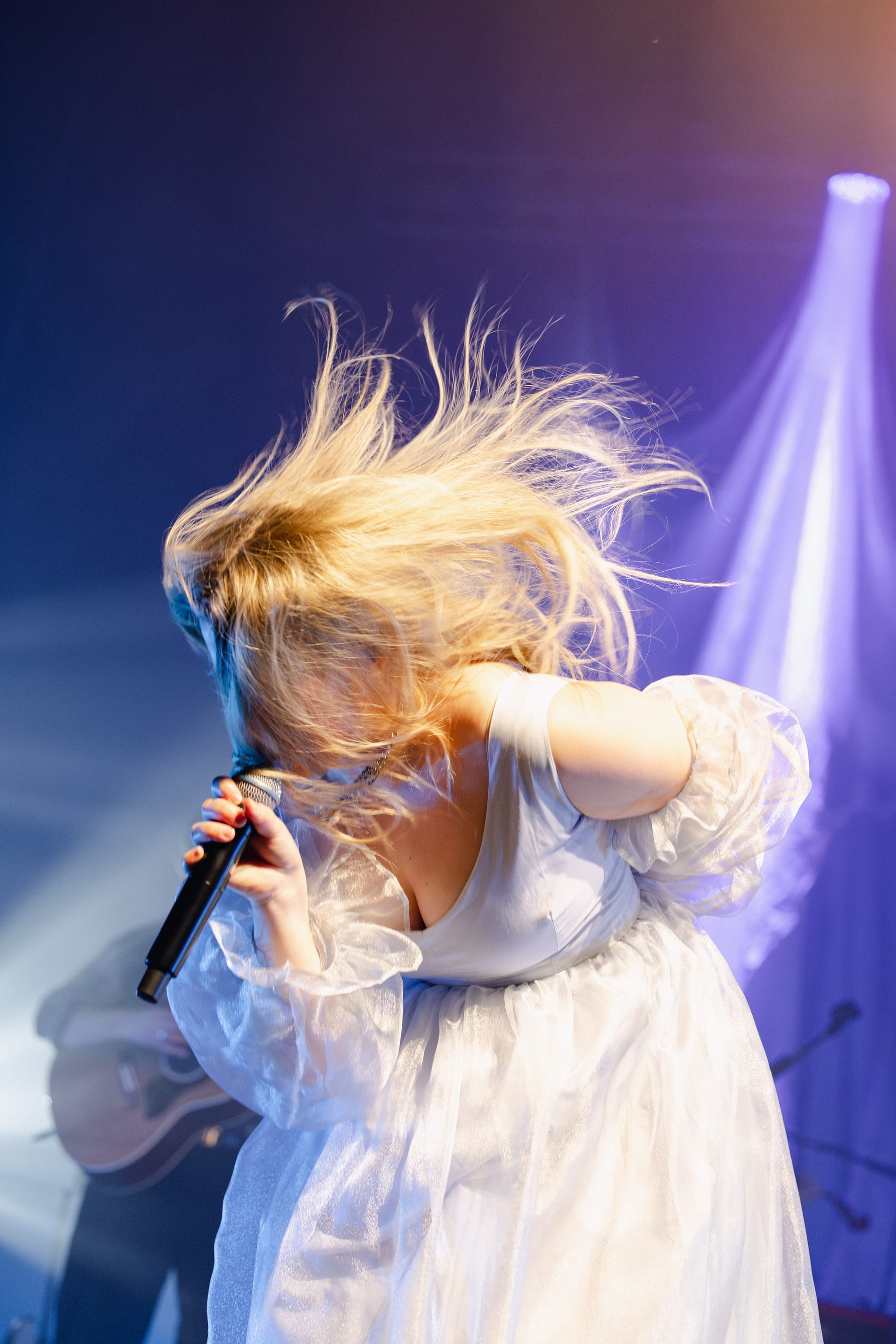
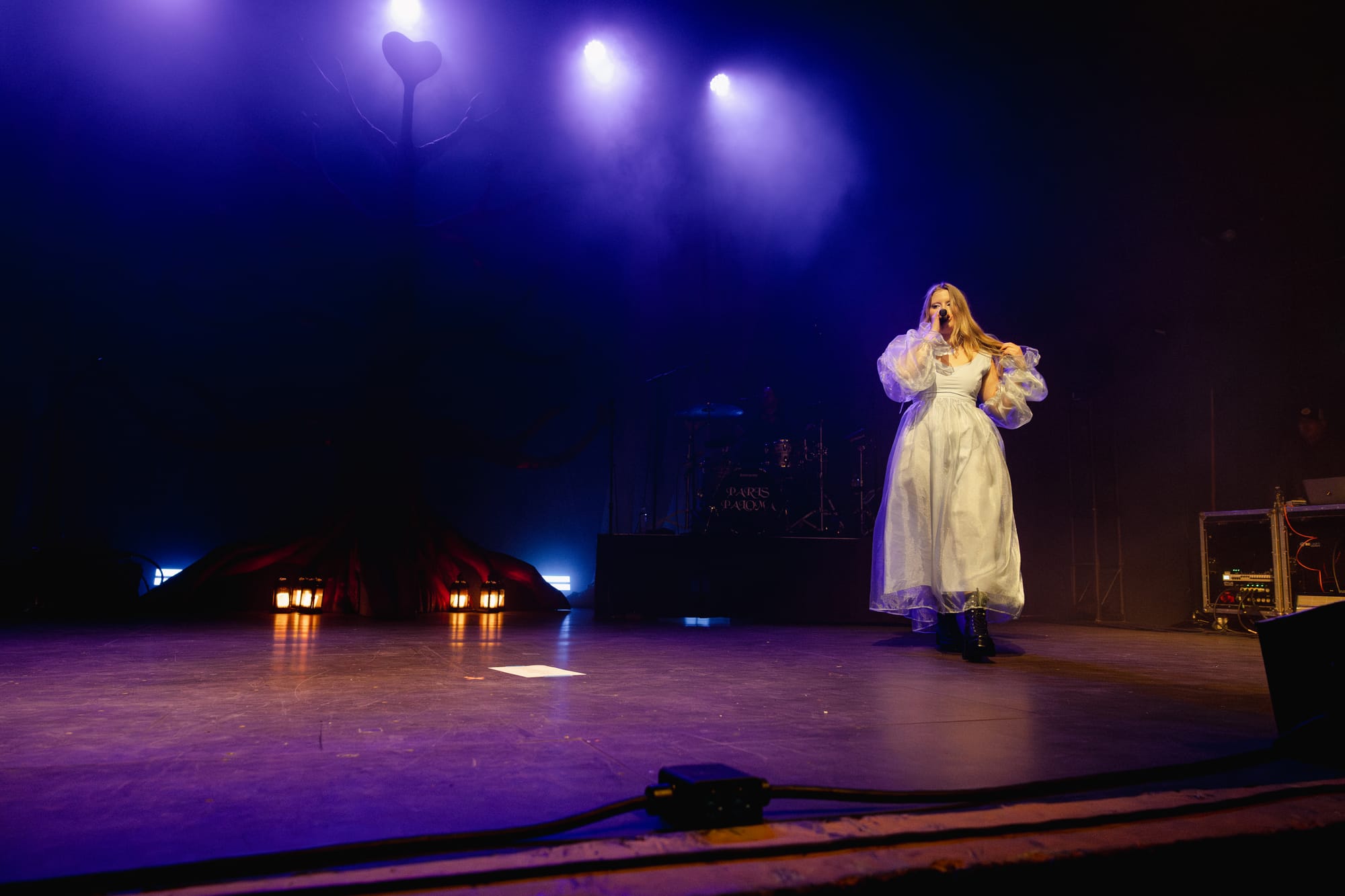
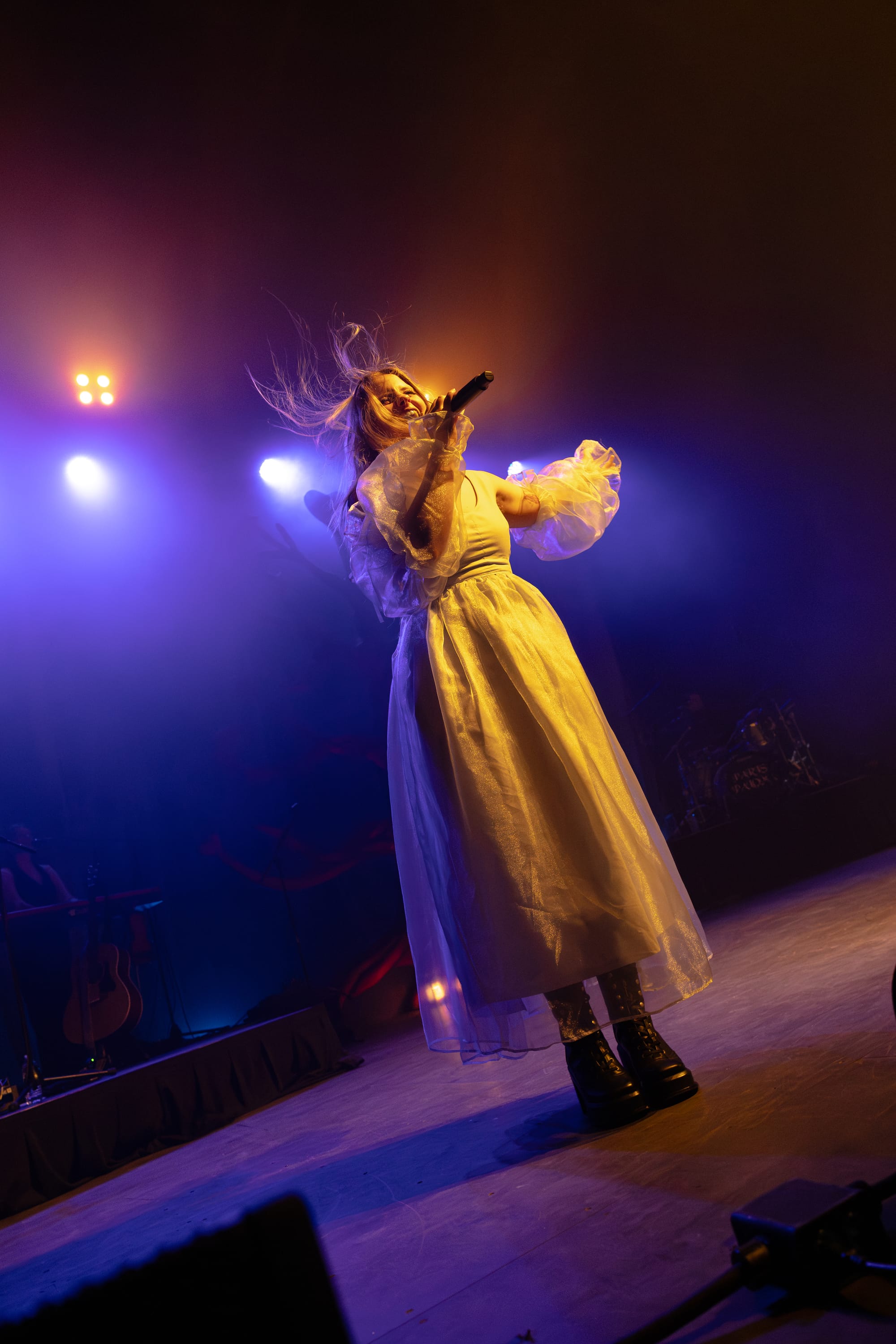
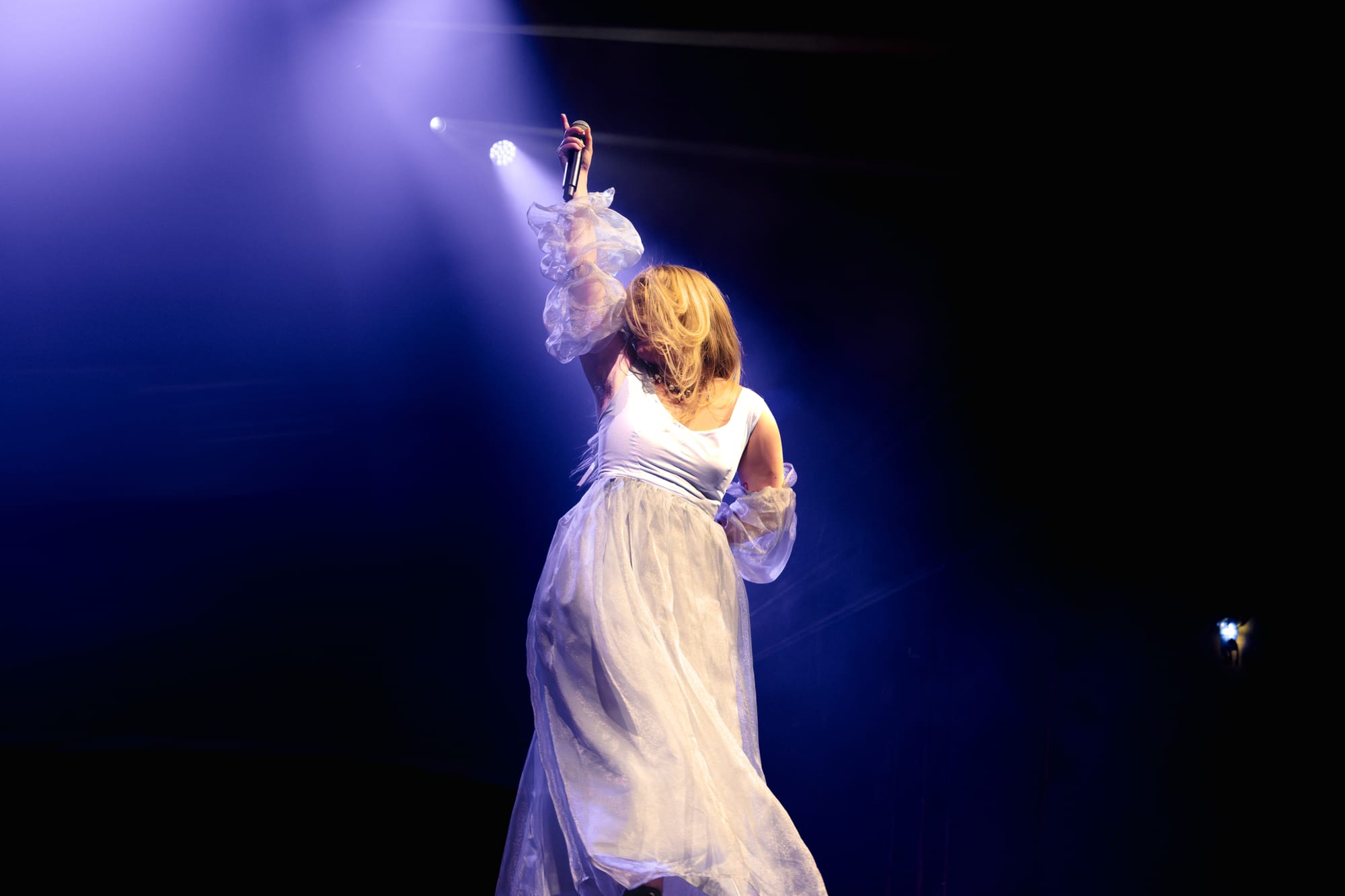
photos by Payton Andisman
SUSABBAG JOFFE
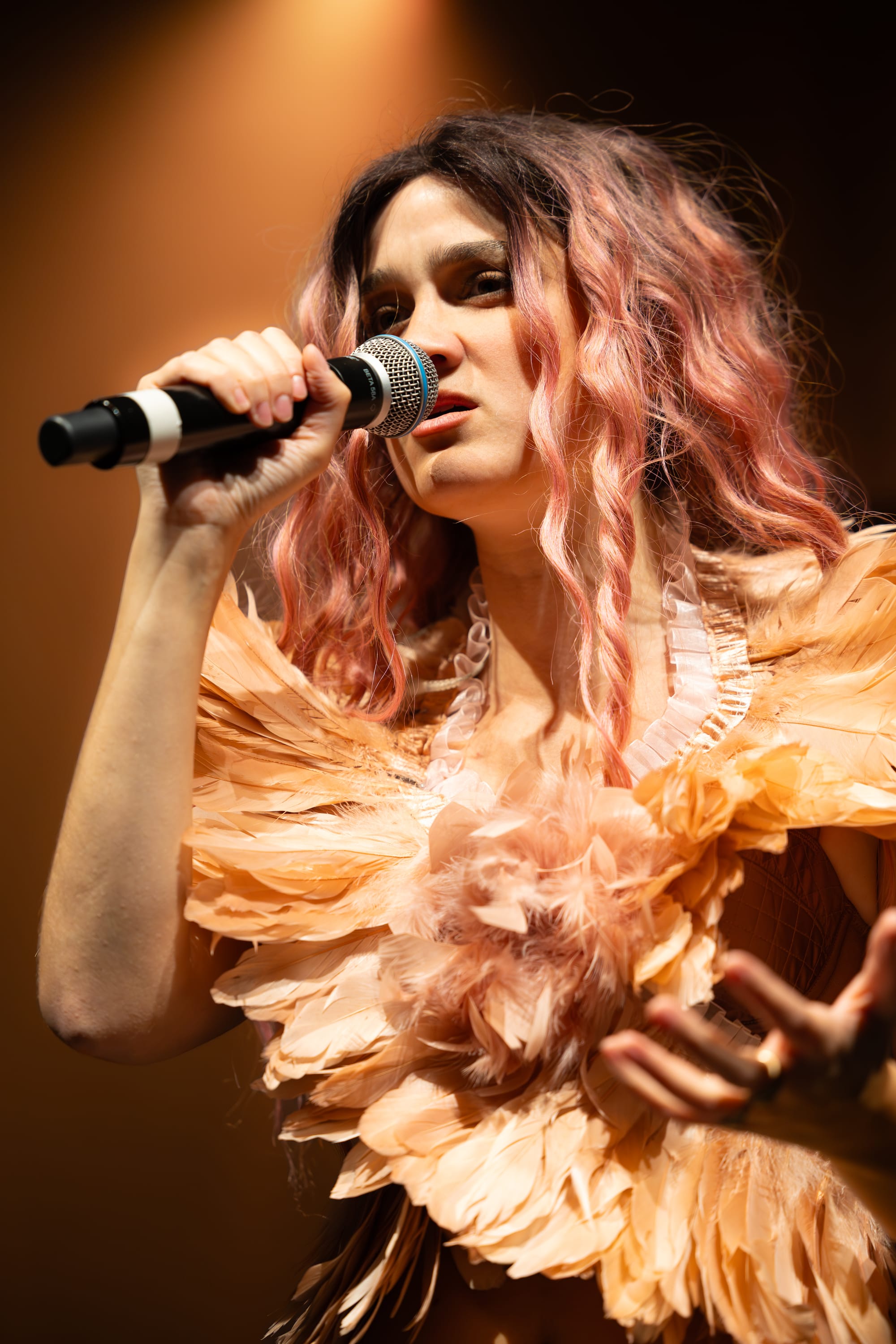
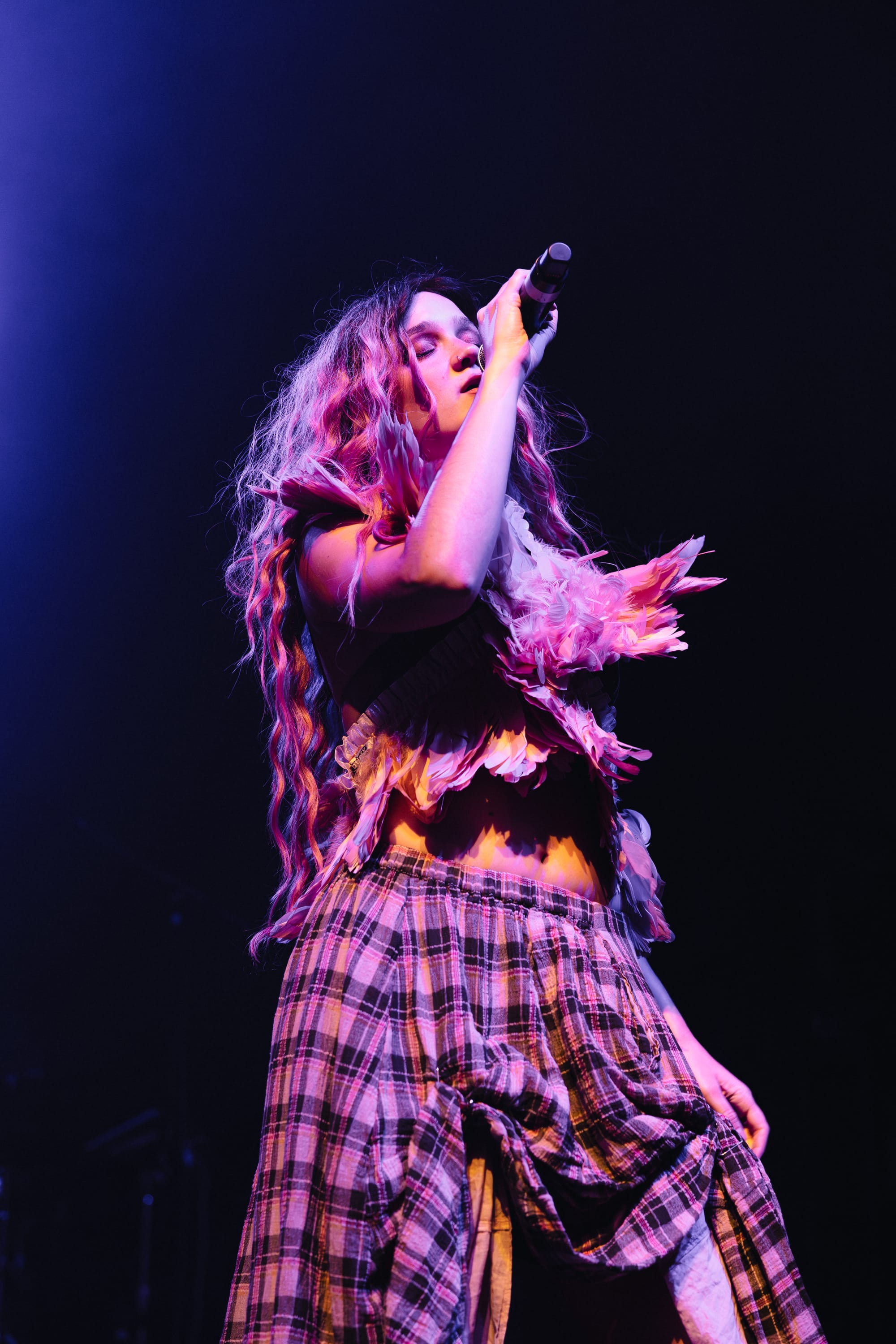
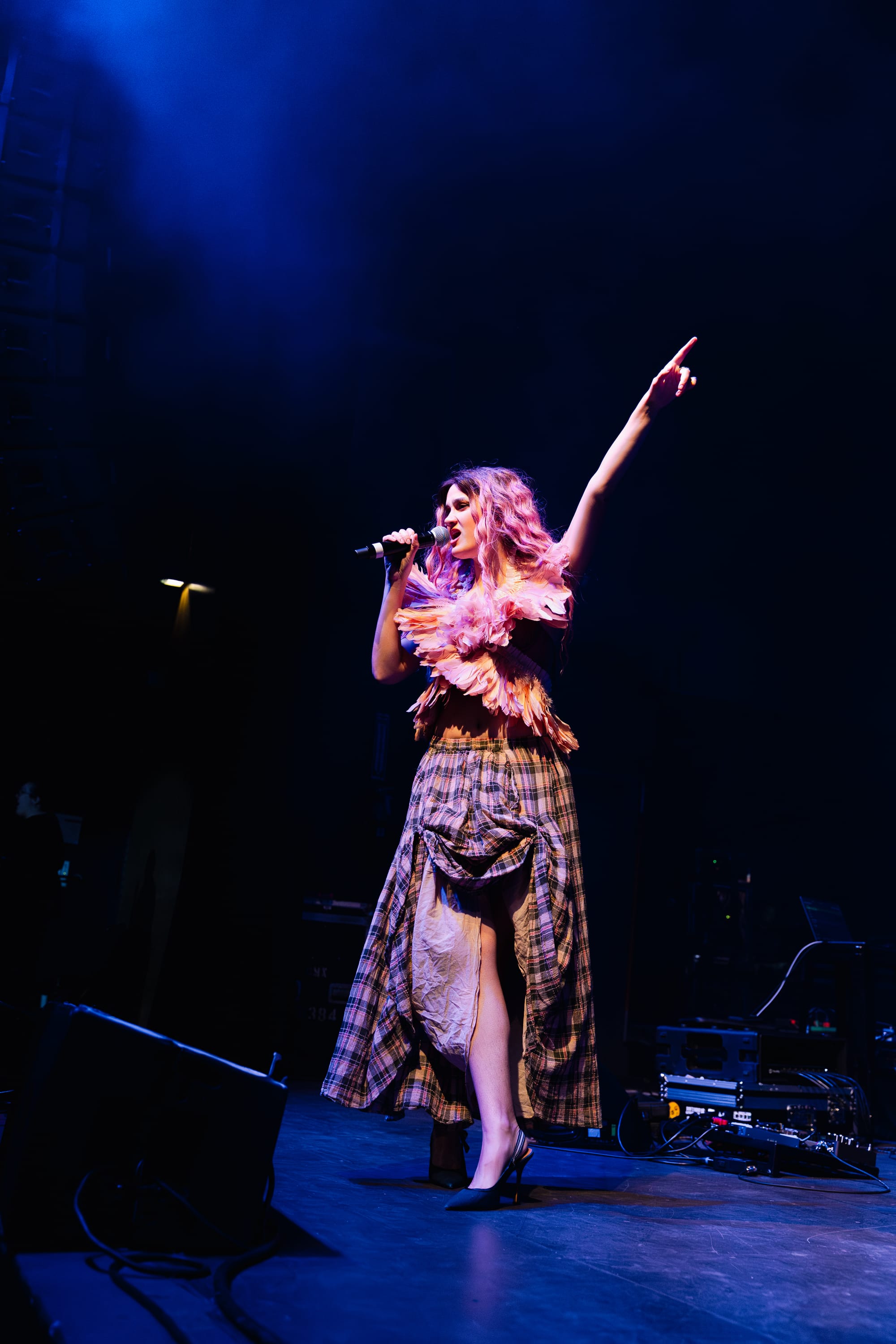
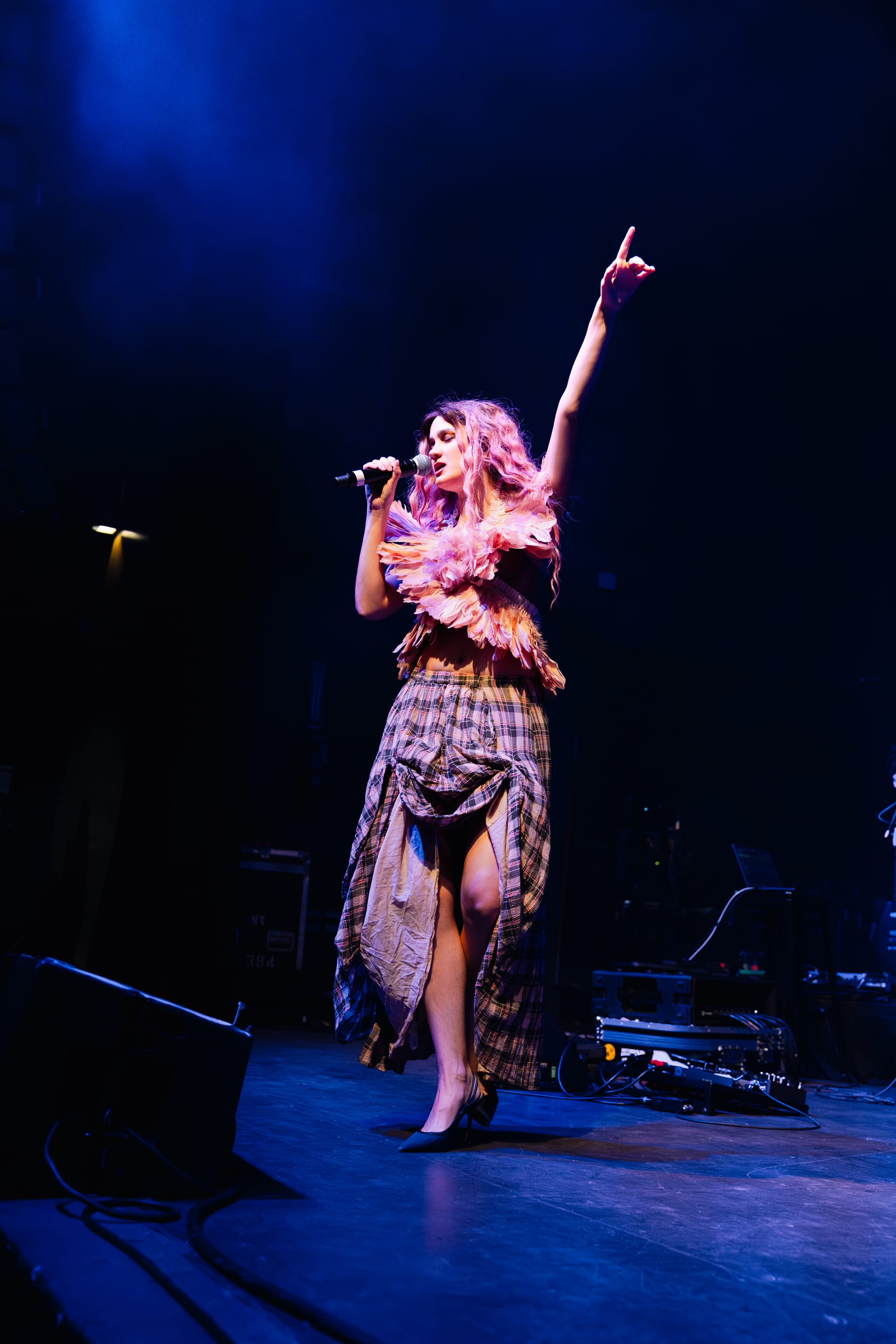
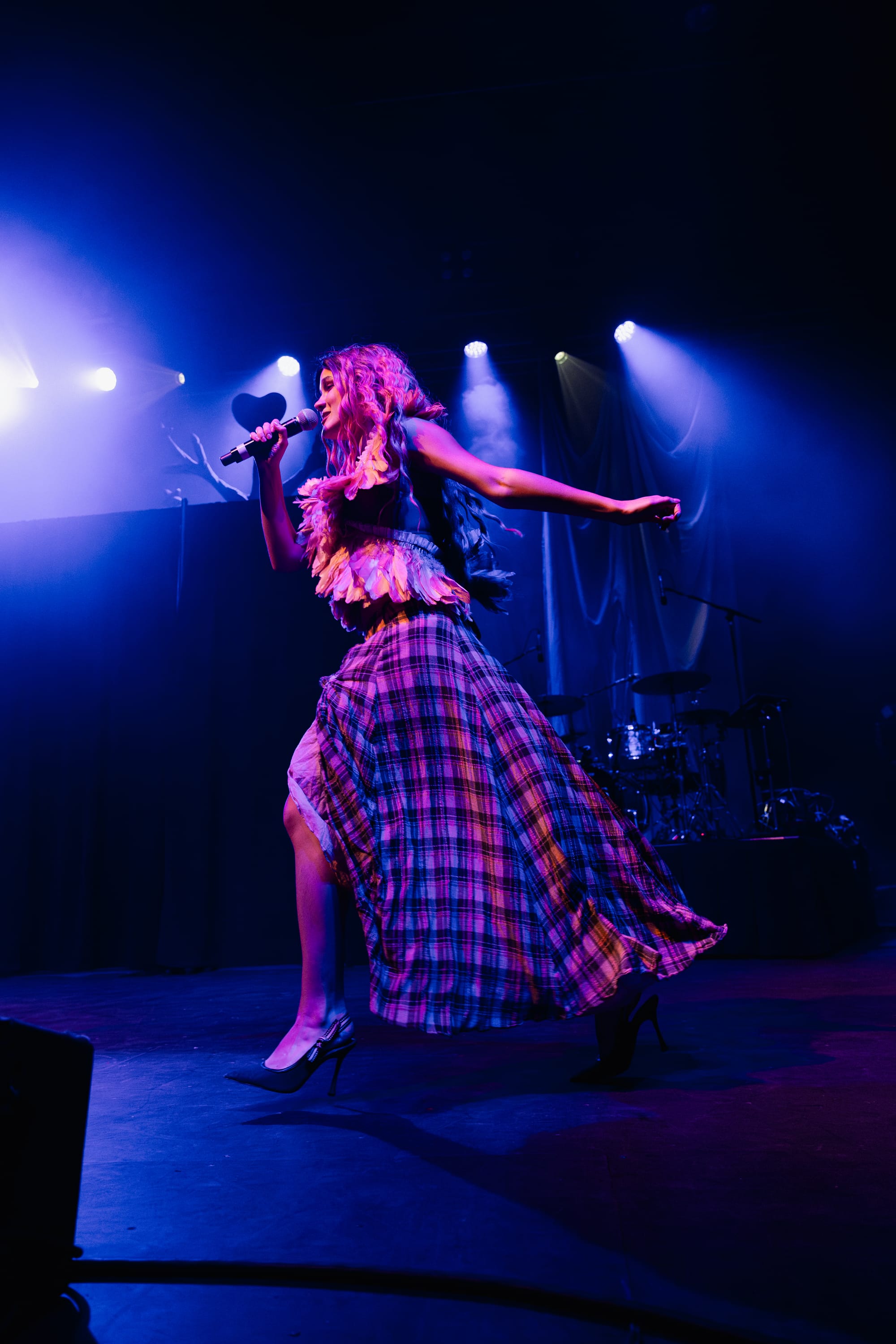
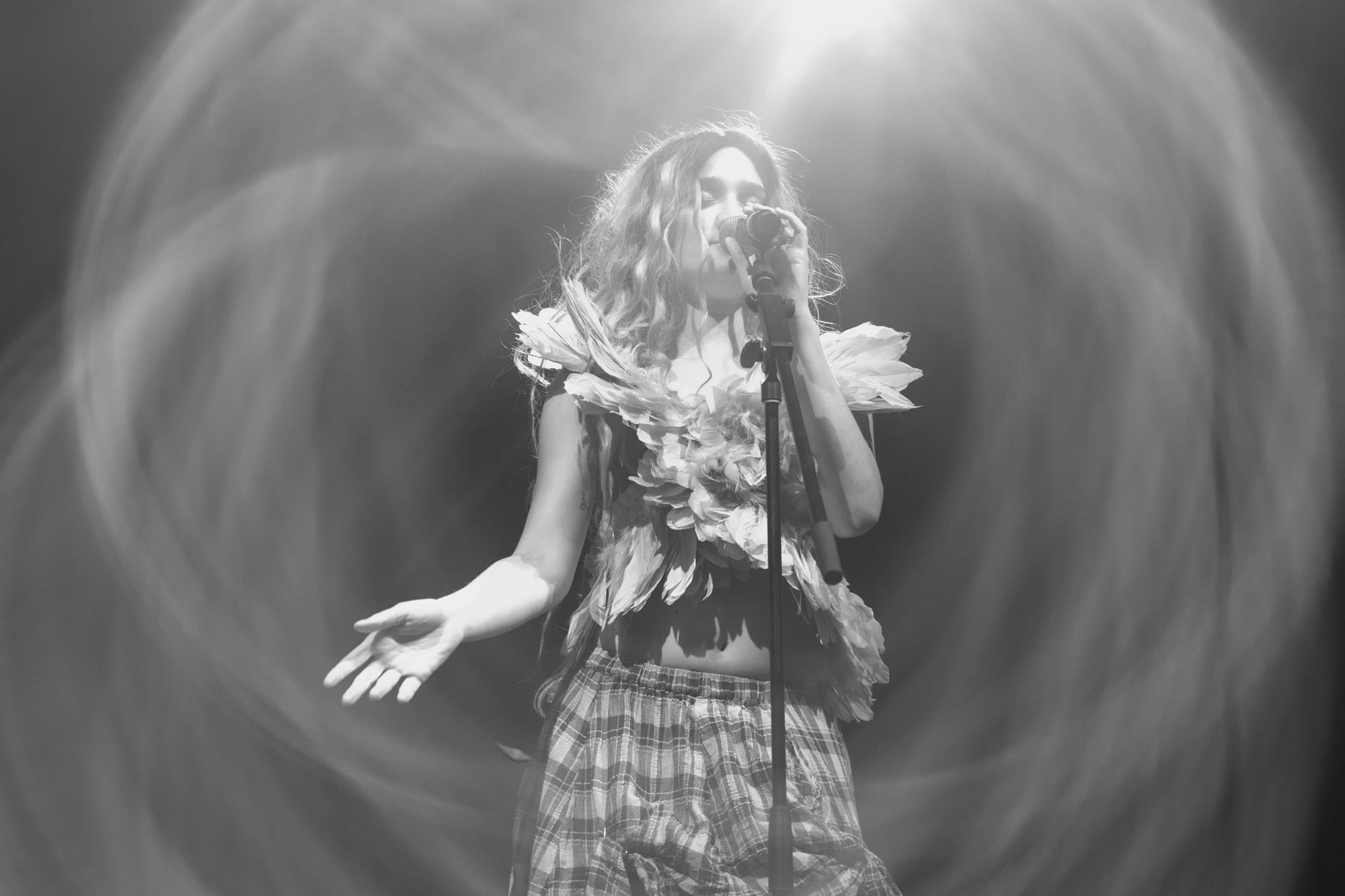
photos by Payton Andisman
About the Writer: Payton Andisman
Payton Andisman, the lens behind Crimson Photography, is an interdisciplinary artist and creative event producer who is passionate about building platforms where artists can challenge conventions and where audiences can see themselves reflected in unexpected ways. Payton collaborates widely across the arts scenes in Columbus and New York as a musician, photographer, stylist, and event producer dedicated to expanding equitable opportunities for creatives. Connect on Instagram at @crimson.photographyy


Discussion