

Written by Brian McLean
Game Day — Round I, Games 1 and 2
TCU Horned Frogs vs. UC San Diego
Schollmaier Arena, Fort Worth
Friday, March 20, 2026
The morning started quite early—specifically 7:15 a.m.—following a night of seeing an old friend and meeting a new one.
Warlord, a California-based epic metal band, was finally hitting the road in the United States. The band had played Europe over the years but never the U.S. It was nice to see Mark Zonder, drummer extraordinaire and one of the founding members. The last time I saw Mark was in the spring of 2004 or 2005, when he was playing drums for Ronnie Montrose at the Dallas International Guitar Show.
I was introduced to Warlord’s music in January 1984 through the cousin of a good friend of mine. The band’s music instantly grabbed me and inspired me to write to the fan club. I needed to know more about the band. In doing so, it began an old-school form of communication via snail mail—typed letters, ink pens, white envelopes, and postage stamps.
This correspondence, carried on over several years, played an important part in my story, especially during the first few months, which eventually turned into several years. As those first months ticked by, my senior year slowly moved forward one day at a time until I was no longer a student in the public school system.
The exchange of letters during those final months made the transition more bearable. Most of all, this correspondence introduced me to the world of underground metal. As a rock fan still discovering music during this time, I found myself in a new world of bands—not the mainstream acts played on the radio.
Being introduced to this new dimension of rock music laid the foundation I would build upon over the years. I was circumventing some paths and embracing others. I was being molded without realizing it. These discoveries in the months leading up to my exit from public school were so important that I dedicated several pages in my book to them.
Warlord was part of my musical identity as I walked across the stage to receive that important piece of parchment accomplishment—the high school diploma.
Warlord’s lineup consists of six musicians: a vocalist, two guitarists, a bassist, a drummer (Mark), and a keyboardist.
I was on a mission to meet the keyboardist, Jimmy Waldo. For any rock historian, his résumé is seriously impressive. Most notable to me is his time in New England, a band that should have been showered with accolades but unfortunately was not.
When I reflect on New England’s big single, “Don’t Ever Want to Lose Ya,” only good memories come to mind.
I have a decent collection of New England music in various formats: 8-track, cassettes, all three original vinyl releases, a seven-inch picture-disc single of “Don’t Ever Want to Lose Ya,” and a signed 45 rpm the band released about ten years ago. One of the jewels in my collection is a “For Broadcast Only” six-song live EP. Actually, I have two copies—one fully signed by the band. It was one of those rare eBay finds, and the signatures match the signed 45 released by the band.
I had so much I wanted to discuss with him, but time was not on my side. I did get an answer to one burning question: Did New England tour with Journey and AC/DC in June 1979? For those following along, that’s the Bon Scott era of AC/DC. The answer was yes. He then began rattling off the Texas cities they played.
If there’s any musician who hasn’t written a book but should, Jimmy Waldo is the one. I’m certain he has many fascinating stories to share. I can see it now: The Wondrous Tales of Jimmy Waldo’s World.
There aren’t many musicians I care about meeting, but his history made this one essential. To top it off, he’s a courteous and gracious person. He even thanked my partner in crime and me for coming to the show.
I anxiously await Warlord’s return to Dallas–Fort Worth.
All of this led to my playlist selection prior to the TCU and UC San Diego game.
I recently purchased Phil Lynott’s authorized biography, appropriately titled Cowboy Song. Phil Lynott was the bassist and lead singer for Thin Lizzy. For hard rock lovers, “The Boys Are Back in Town,” “Jailbreak,” and “Cowboy Song” immediately come to mind.
How I missed the release of his book, I don’t know, but I do know the book sat patiently in my Kindle app, ready to be devoured.
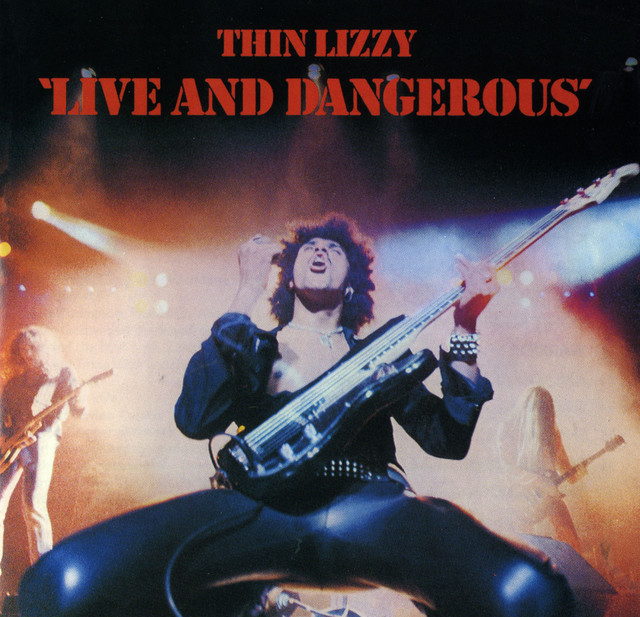
With that in mind, Thin Lizzy’s Live and Dangerous was my first choice of the morning. I made it halfway through the second side before shutting it down. It should be noted that Live and Dangerous is consistently regarded as one of the most respected hard rock live albums.
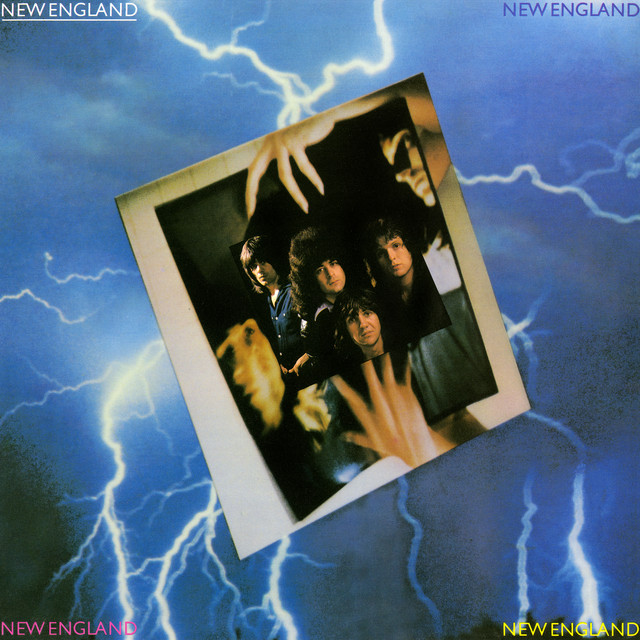
Even though tip-off was still some time away, the events of the previous night made New England’s self-titled debut appropriate for my listening pleasure. From the opening notes of “Hello, Hello, Hello” to the album’s closing track, “Encore,” I was in my musical element.
I used the remaining time for more New England.
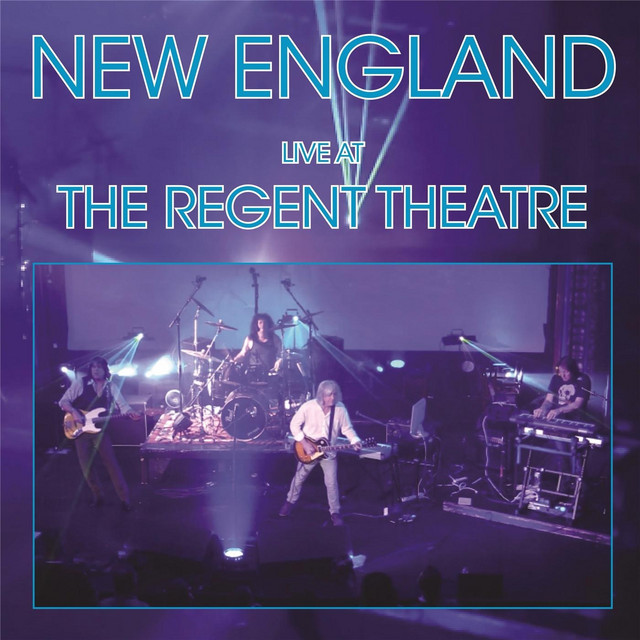
Even though I had stopped Live and Dangerous, live-album mode lingered and eventually became a craving. I decided that Live at the Regent Theater, a self-released live CD, was perfect.
Since there was only a thirty-minute window between Games 1 and 2, I left midway through the third quarter to process, edit, and upload images. Because Live at the Regent Theater was readily available, all I needed to do was press play while working through the images.
Once everything was finished, I returned to the court during the second quarter of the Washington Huskies vs. South Dakota State Jackrabbits game. Once situated, I shot the remainder of the game from my assigned baseline position.
Back in the media workroom following Washington’s win, I wanted something smooth, light, and mellow. I turned to my go-to postgame selection, Pink Floyd’s Wish You Were Here.
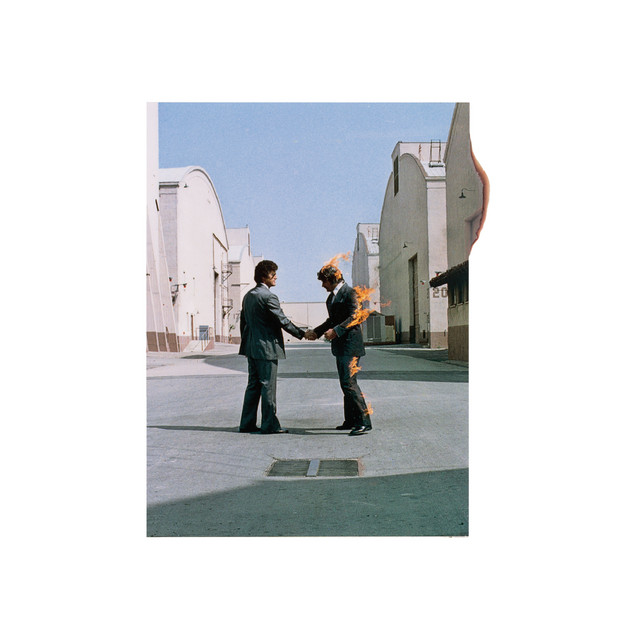
Once again, I followed my normal routine, working through rated images selected for processing, editing, and uploading.
Thankfully, the day ended earlier than anticipated, and I was back home twelve hours after my early morning start. I needed rest for Saturday’s shooting adventure: FC Dallas vs. Houston Dynamo FC at Toyota Stadium, with a forecasted high of 97°F.
FC Dallas vs. Houston Dynamo FC
Texas Derby
Toyota Stadium, Frisco
Saturday, March 21, 2026
To accompany the Texas summer heat just one day after the spring equinox was the fiery in-state rivalry between FC Dallas and Houston Dynamo FC. The matchup is known as the Texas Derby, and there is no love lost between the two sides. FC Dallas was seeking redemption after being shut out 2–0 by Houston in 2025.
Leading up to the match, I was concerned about the scheduled tip-off time for the TCU vs. Washington Huskies game. The tip-off time would determine how much of the FC Dallas match I would cover. If it were an early afternoon start, such as noon, I would shoot only the first half. If it were a late afternoon tip-off, I would cover the entire match.
The original early-afternoon tip-off was pushed back to 9:00 p.m. Sunday night, meaning I would be able to cover the FC Dallas match in full.
For three of the last four matches I have covered this season, I’ve found myself leaving early and stopping midway at Founders Plaza on the north end of DFW International Airport. It’s a viewing area popular with aviation enthusiasts, families, plane spotters, and photographers.
More often than not, arrivals follow a south-flow pattern, meaning jets approach from the north for landing. This direction provides excellent photographic opportunities.
I didn’t bring out the cameras this time. Instead, I sat and watched the arrivals with the windows down, letting the breeze flow through the car. Typical commercial flights arrived from destinations across the contiguous United States. During my brief visit, I was treated to an Atlas Air 747 arriving with cargo from Anchorage and a Qantas flight arriving from Melbourne.
While watching the arrivals, AC/DC’s High Voltage played softly in the background. This time, however, I preferred the sound of jet engines on approach over Angus Young’s guitar.
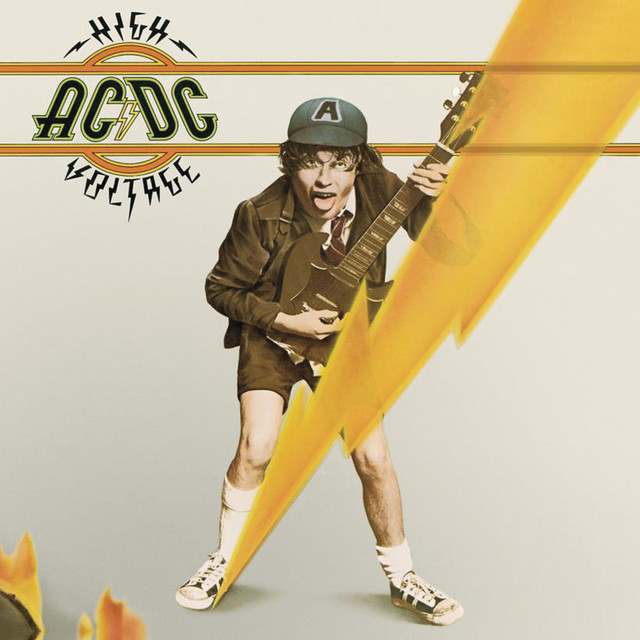
Thirty minutes later, I arrived at Toyota Stadium, unloaded my gear, and headed toward the media entrance. I make it a habit to be among the first to arrive. Early entry allows me to get situated—first securing the corner position I typically shoot from, followed by preparing and setting up my editing workspace.
Dinner for the media wasn’t quite ready, so I opted for something lighter from my iTunes library. Journey’s Evolution felt perfect—nothing too heavy, just enough to maintain a relaxed mindset before dinner and team warm-ups.
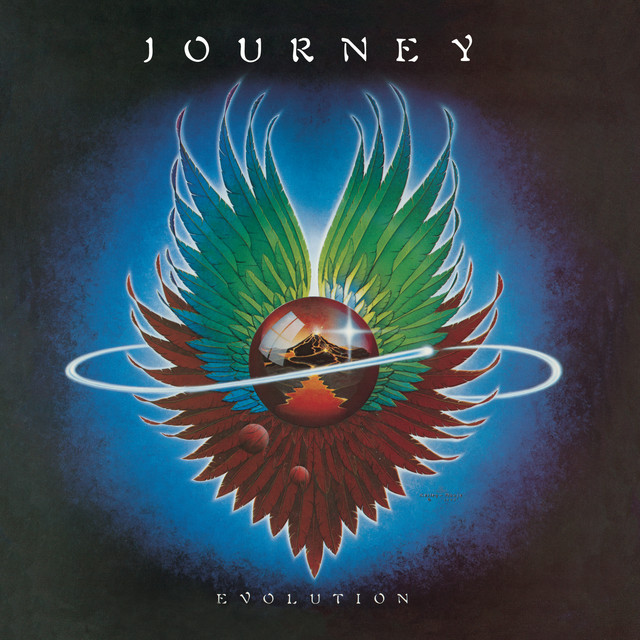
Once at my shooting position, my mood shifted toward something heavier. Immortal’s Northern Chaos Gods (2018) became the selection from my Bandcamp library. The album marked the band’s first studio release after Abbath’s departure and arrived nearly nine years after 2009’s All Shall Fall, the final Immortal album featuring him on vocals.
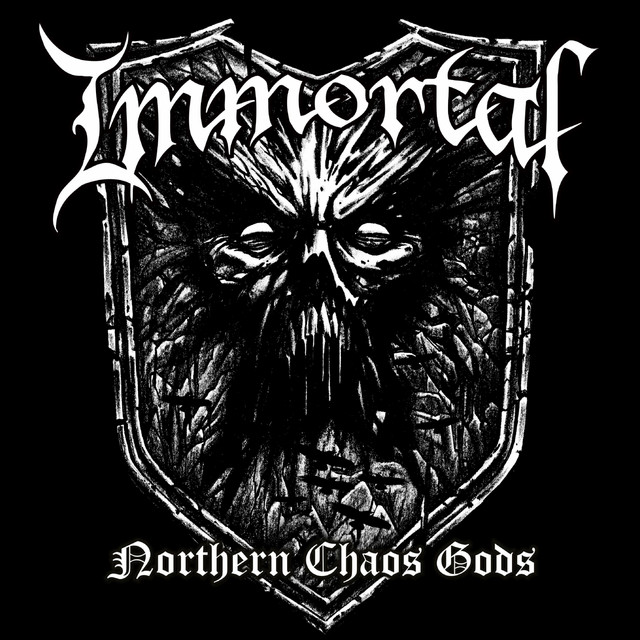
The irony wasn’t lost on me—listening to frozen Norwegian black metal while baking under the Texas sun.
As kickoff approached, the earbuds came out and the earplugs went in.
From the northeastern corner where I shoot, a concussion grenade—or some type of pyro—fires when the match begins. It’s incredibly loud, and no matter how much I anticipate it, the blast still startles the living bejesus out of me and the other photographers nearby. This time, along with my earplugs, I pressed my index fingers firmly into each ear, which definitely reduced the shock.
The match proved interesting, to say the least. Five goals were scored in the first half—two by FC Dallas followed by three from Houston. Dallas tied the match in the second half and, within minutes, scored the game winner for a 4–3 final.
The match delivered plenty of excitement, including a red card issued against Houston.
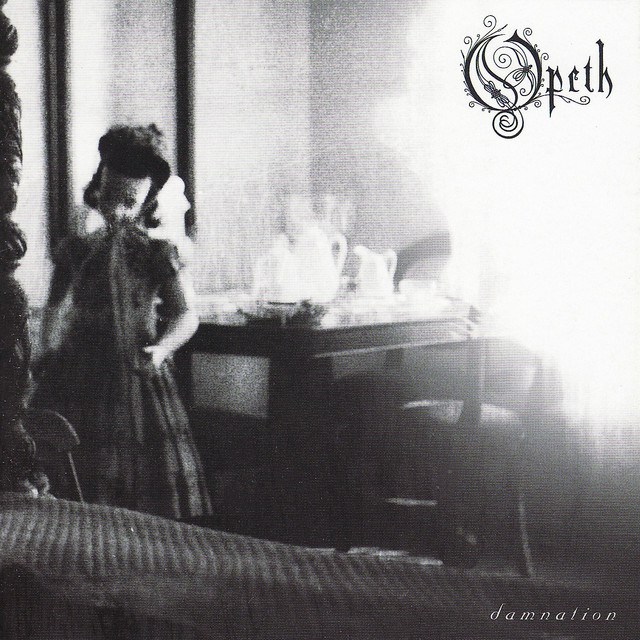
Once upstairs to begin editing, I turned to Damnation, Opeth’s 2003 release. The album marked the band’s first record featuring entirely clean vocals and guitars, infused with clear 1970s progressive rock inspiration. Damnation runs 43:03 allowing me plenty of time to process, edit, caption and submit images without interrupting the workflow.
Around 11:00 p.m., the commute home from Toyota Stadium typically takes about forty-five minutes. I needed something upbeat for the drive, so I checked the glovebox to decide which disc would make the trip.
I passed on High Voltage, a live Pantera broadcast from 1988; Judas Priest’s Stained Class; and Faster Pussycat’s Front Row for the Donkey Show, a fabricated live album released in 2009 that nonetheless offers a respectable collection of glam-era tracks.
That left my final option: KISS’s Double Platinum. Make-up–era KISS is always welcome ear candy.
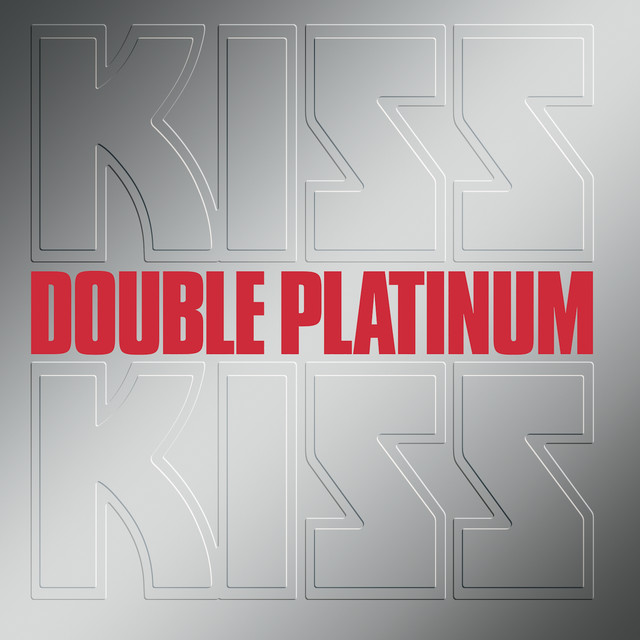
The drive concluded as “Beth,” the sixteenth track, played. Along the way, I revisited classics including “Strutter ’78,” “Do You Love Me,” “Let Me Go, Rock and Roll,” “God of Thunder,” “Deuce,” “100,000 Years,” and “She.”
Game Day — Round II
Washington Huskies vs. TCU Horned Frogs
Schollmaier Arena
Sunday, March 22, 2026
The lone traveler advancing to the Sweet 16 from Fort Worth would be decided on this day: either the TCU Horned Frogs or the Washington Huskies. One team would move on; the other would go home.
I was relieved when the game was scheduled for a 9:00 p.m. tip-off. It allowed me ample time to relax and prepare throughout the day. I recharged batteries, created folders, and prepared code replacements for captioning. By 5:45 p.m., I was parked, gear unloaded, and heading toward the arena.
Anticipating the return of students and increased traffic following spring break, I chose to park in the garage adjacent to the football stadium.
As usual, I was the first to arrive at the media entrance and went directly to my workstation area, the same one I had used during the previous two days. Only my gear needed security clearance; my credentials were already in hand.
I quickly grabbed one camera and entered the arena to photograph March Madness and BodyArmor branding. If it had a logo, I photographed it—seat covers, cups, hydration stations, carts behind the benches, basketball racks, and even the game balls themselves.
Satisfied with the results, I returned to editing and processing.
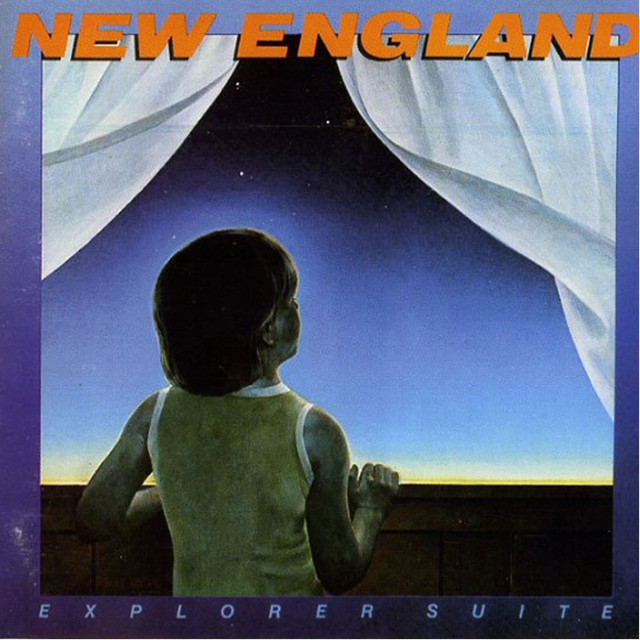
Since meeting Jimmy Waldo several days earlier, I immediately queued up Warlord’s second album, The Explorer Suite. Standout tracks include “Conversation,” “Searchin’,” “Hope,” and my personal favorite, “No Place to Go.”
Not wanting to repeat the album, I moved to New England’s debut. “Hello, Hello, Hello” always places me in a relaxed mood, followed by “Don’t Ever Want to Lose Ya,” the song that brought the band to FM radio prominence.
By then, my pre-warmup images had been uploaded and distributed.
My shooting position remained unchanged from Round I—two spots away from ESPN, positioned between the ADW wire service and Getty Images, with the basket just to my left.
Without diving into every detail, TCU took an early lead, but Washington maintained control for much of the game. In the closing minutes, however, TCU narrowed the gap.
Regulation ended tied at 51–51, sending the game into overtime. TCU scored eleven points in OT while Washington managed eight, ending the Huskies’ postseason run with a 62–59 final.
After the Sweet 16 celebration concluded, it was time to pull rated images and begin processing and editing.
My usual decompression choice returned: Pink Floyd’s Wish You Were Here. It has become my dependable postgame editing companion—relaxing and perfectly suited to the workflow.
With 104 images rated, the album finished before my work did, so I returned once more to New England and played Live at the Regent Theater, which carried me through the remainder of the night.
By the time I packed up, I was mentally and physically drained. My short drive home unfolded in complete silence as midnight approached.
I found myself yearning for a fully relaxed Monday before the entire process repeated again in three days.


Discussion