


UConn vs. Notre Dame
Dickies Arena, Fort Worth
Sunday, March 29, 2026
Since I was not able to give Cheat the Gallows my full attention following the Texas and Kentucky game, I wanted to correct that misdeed first thing Sunday morning—and that is exactly what I did.
Cheat the Gallows was indeed not cheated; it received proper play from start to finish. The best part of listening to the album was how quickly time passed while breakfast was being prepared.
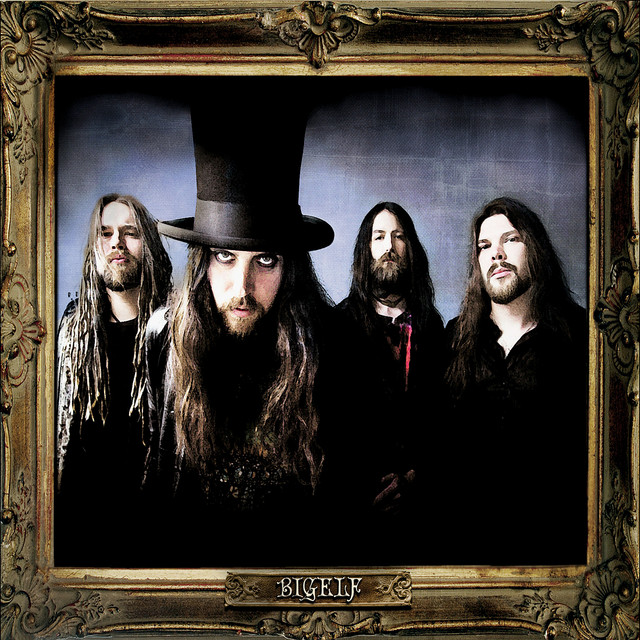
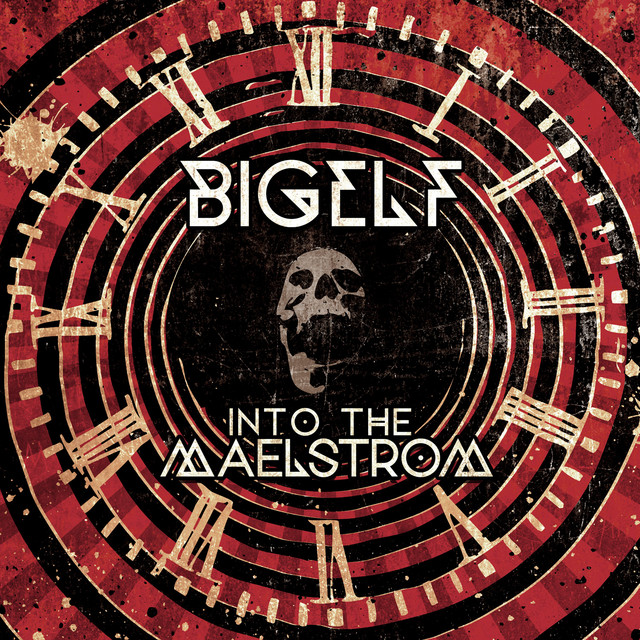
I continued with the Bigelf vibe by pulling up Into the Maelstrom on Bandcamp. Along with a fresh serving of Bigelf, I was able to enjoy a freshly prepared breakfast.
I ended up shooting the entire game. It was not until the fourth quarter that UConn began to put distance between itself and Notre Dame.
The Fighting Irish kept themselves in the game, trailing by roughly seven points, but at a certain point UConn began capitalizing on missed Notre Dame shots, converting rebounds into three-pointers. That is when UConn widened the gap, eventually securing a 70–52 victory and one of the Final Four spots.
The year 1980 produced a grouping of classic hard rock and metal albums that still hold up today. Many of these albums remain go-to releases when revisiting a band’s catalog, and several are tucked into my iTunes library. With this in mind, I wanted to narrow my listening selections following the UConn vs. Notre Dame Elite 8 game.
I do not necessarily have an “Elite 8” of albums—though I probably could create one—but I definitely have a Top Five, and one of those became my first selection.
Black Sabbath’s Heaven and Hell, released in April 1980, was the band’s first album to feature Ronnie James Dio, who had no problem stepping in for Ozzy Osbourne. The album took Sabbath in a different direction, particularly through Dio’s lyrical contributions, thematic content, and vocal style.
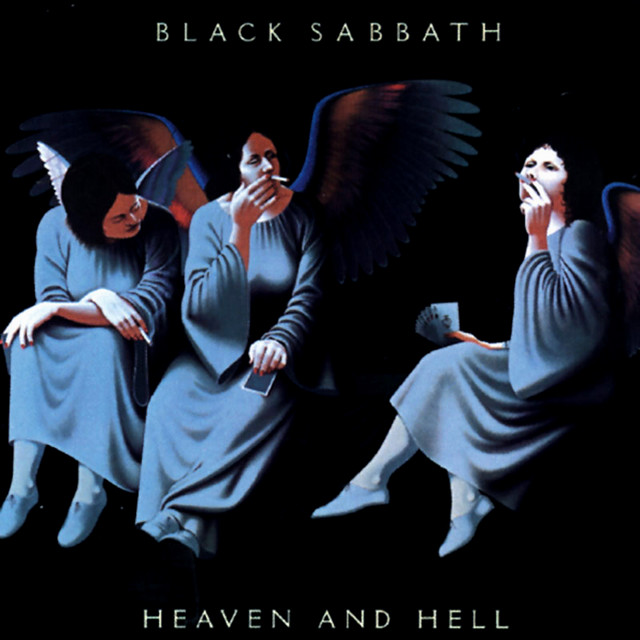
The album was produced by Martin Birch, who had previously worked with Dio in Rainbow, the band he fronted before joining Black Sabbath. Birch’s production résumé is impressive. Not only did he produce Heaven and Hell, but he also produced Mob Rules, the follow-up release.
To understand Birch’s production pedigree, consider that he produced every Iron Maiden album from 1981’s Killers through 1992’s Fear of the Dark. Even a brief look at his discography reveals the vast array of albums he helped shape. Incredible is the best way to describe it.
Continuing with the 1980 theme, I reached for a classic of the NWOBHM era. For those unfamiliar with the acronym, it stands for the New Wave of British Heavy Metal.
The 1980 classic I selected was Saxon’s Wheels of Steel. The sheer volume of metal the British scene produced in 1980 was remarkable, and Wheels of Steel stands among those great releases.
Opening with the first track, “Motorcycle Man,” the album flows with pure molten heavy metal wrapped in denim and leather aesthetics.
Another notable track is “747 (Strangers in the Night),” a song about landing at an airport experiencing a blackout. The airport referenced in the lyrics is LaGuardia Airport in New York, which was affected by a power outage, though several aircraft reportedly landed using only the light of the full moon.
The song became a Saxon anthem and still holds that status today. It remains a strong example of melodic heavy metal.
The track was inspired by the Great Northeast Blackout of 1965 in southern Ontario, Canada.
Also notable are the title track, “Wheels of Steel,” which remains a live set staple, and the album closer, “Machine Gun.”
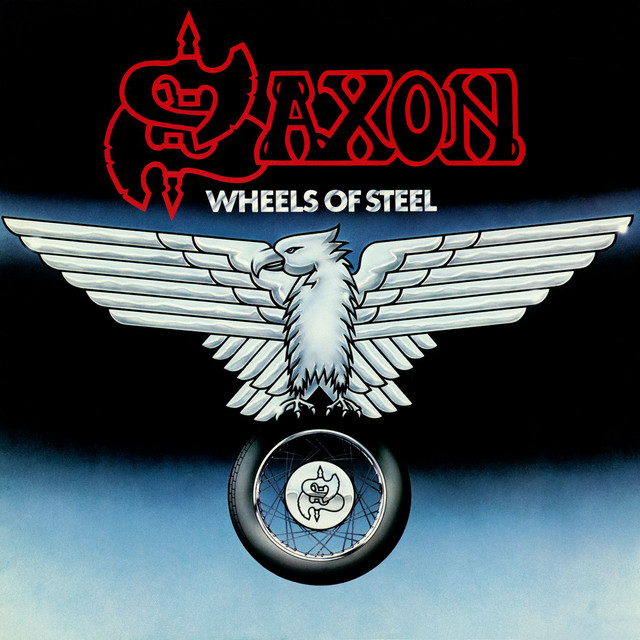
With one listen, it is easy to understand why Saxon’s 1980 album is often grouped alongside Back in Black, Ace of Spades, British Steel, Iron Maiden, On Through the Night, and Blizzard of Ozz, among others—all released in 1980, one of the greatest years for hard rock and heavy metal.
By the time Wheels of Steel was coming to an end, I was wrapping up my postgame photographic duties but still needed one more 1980 album.
My choice was Van Halen’s third album, Women and Children First, released in the spring of 1980. This record helped elevate Van Halen into arena-headliner status, marking only the beginning of their dominance in large venues.
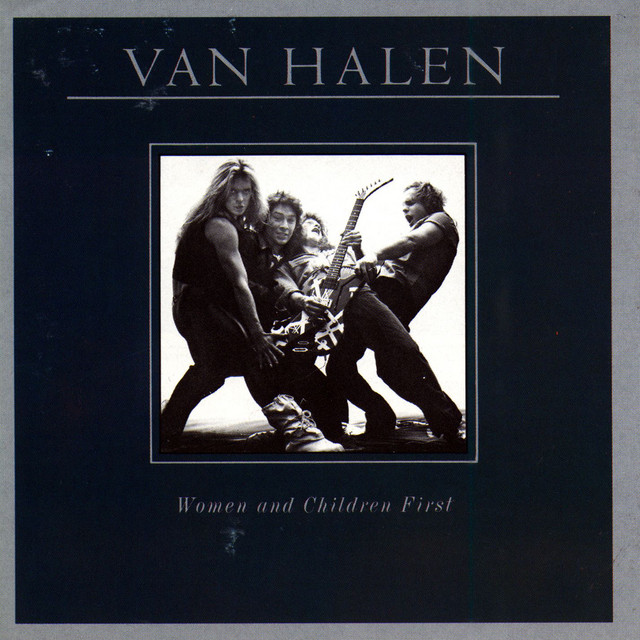
During this tour, the Van Halen brothers, along with David Lee Roth and Michael Anthony, were performing in 20,000-seat venues that regularly reached capacity or sold-out status. Subsequent tours saw the band playing two nights in each arena, followed by the 1984 Tour, during which they expanded to three-night runs in many cities.
I was only able to get through three songs from the album—the opening track and single “And the Cradle Will Rock…,” followed by “Everybody Wants Some!!” and “Fools”—which rounded out my day in the media workroom.
Fortunately, I still have one more day to visit with fellow photographers before we take our assigned shooting positions for the final time.
What I ultimately decide for my playlist will likely depend on my mood once the laptop is powered on and ready to go.


Discussion